




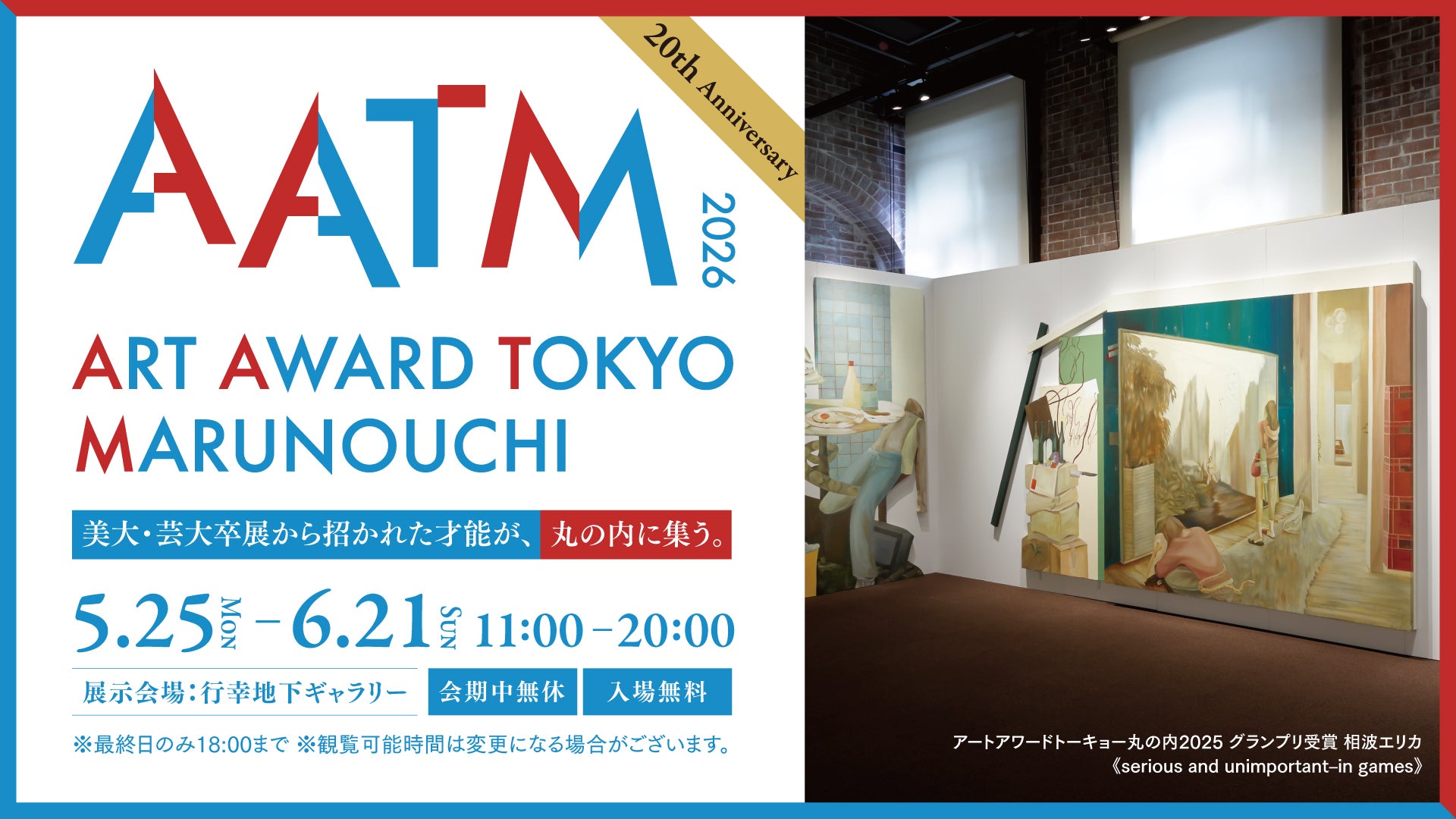
A contemporary art exhibition aimed at discovering and nurturing young Artist.
This year marks the 20th anniversary of the event, and we are exhibiting 20 works that have passed a rigorous selection process from 200 works invited from 18 schools across the country.
Please take this opportunity to enjoy Marunouchi, where the refreshing and innovative sensibilities of the next generation of Artist come together.
On Monday Mon 25th, the first day of Events, the final judging and awards ceremony were held, and the winners of the Grand Prix, as well as the Judges' Awards and other awards, were decided!
- 01. May 25th Mon Announcement! 20th AATM Award Winners List
- 02.What is Art Award Tokyo Marunouchi (AATM)?
- 03. Artist and work information
- 04.Judges
- 05. Judges' Comments ~After the First Round of Judging~
- 06. AATM2026 Satellite Exhibition
- 07. Winners Announced!! [MARUNOUCHI WORKERS Exclusive Project] Tell us who your favorite artist is!
01. May 25th Mon Announcement! 20th AATM Award Winners List
The winners of each award have been decided after the final judging on the first day of the awards, Mon 25th!
Congratulations to all the winners!
- Judge Yusaku Imamura Award
- OIRA (Tama Art University)
- Judge Eriko Kimura Award
- Benio Ishioka (Tokyo University of the Arts)
- Jury Shigeo Goto Award
- Yoon Sang-ki (Nagoya University of Arts)
- Judge Tomio Koyama Award
- He Ziyu (Musashino Art University Graduate School)
- Judge Akira Tatehata Award
- Arisa Odawara (Tama Art University)
- Judge Tomoko Yabumae Award
- Zou Namori (Tama Art University Graduate School)
- Jury Member: Yusuke Komuta Award
- Sakurako Shirai (Kyoto University of the Arts Graduate School)
- Obayashi Corporation Award
- Riryu Mizuguchi (Tokyo University of the Arts Graduate School)
- French Embassy Award
- Tōrei (Tokyo Zokei University Graduate School)
- Mitsubishi Ichigokan Museum, Tokyo Award
- Mibuki Katsumi (Aichi Prefectural University of the Arts Graduate School)
02. What is Art Award Tokyo Marunouchi (AATM)?
This is a contemporary art award/exhibition aimed at discovering and nurturing young Artist.
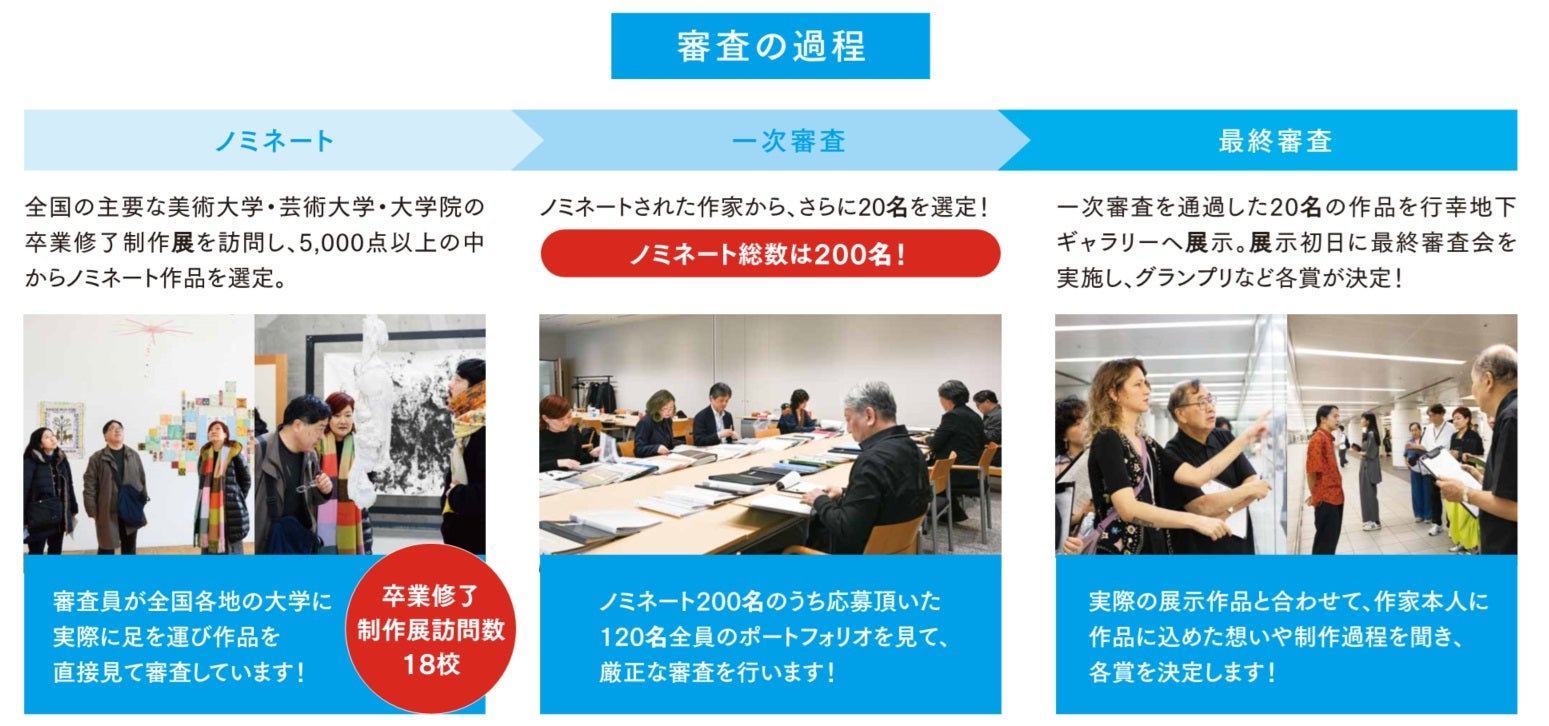
Judges visit graduation and completion exhibitions at major art universities, colleges, and graduate schools across Japan to nominate promising artists.
The works that pass the selection process will be exhibited in Marunouchi Area, and the winners of each award will be determined through a final judging.
For the 20th anniversary in 2026, we will visit the graduation exhibitions of 18 art universities, colleges of arts, and graduate schools and nominate approximately 200 works.
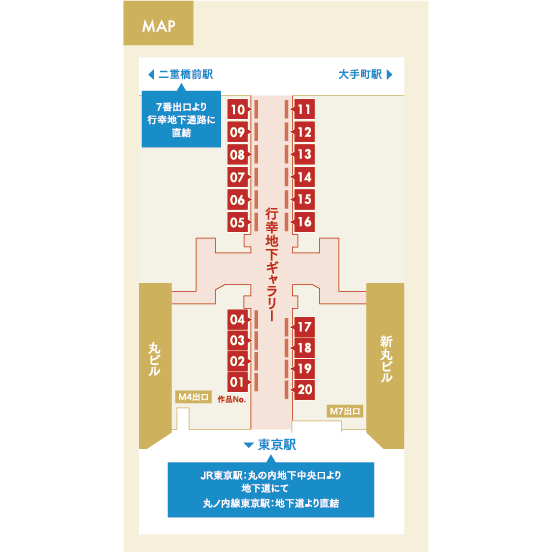
From those applicants, 120 entries were selected, and after judging, approximately 20 works will be exhibited in Marunouchi Area, primarily at Gyoko-dori Underground Gallery.
Set in Marunouchi, an urban space where business and culture intersect, AATM has created a meeting place that connects Artist with society, companies, and working people, while continuously providing opportunities for the next generation of artists to advance to the next stage.
We have introduced approximately 550 young Artist to date.
Past AATM information can be found here: https://www.marunouchi.com/lp/aatm/
03. Artist/work information *20 artists/works in total
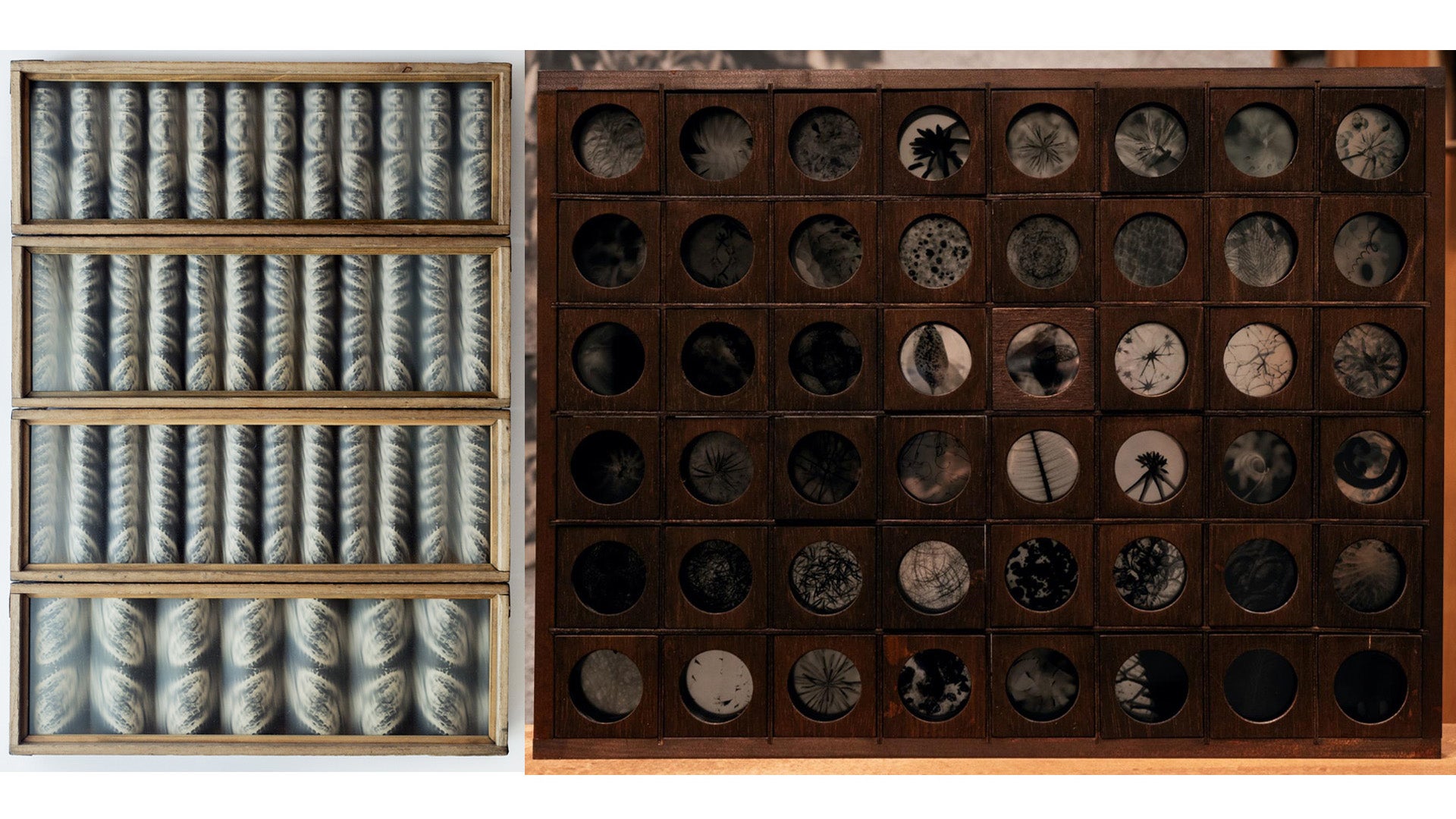
01 Tou Lei (Li Deng) / Tokyo Zokei University Graduate School <French Embassy Award>
《Work name》
Unnamed Plants
unnamed plants
Comments from judges regarding passing the first round of judging.
Tōrei presents fictional plants through the medium of photography, as if real plants were displayed in a botanical encyclopedia, museum, or botanical garden. By subverting the documentary nature of photography and making fiction appear as if it were reality, his work becomes a critique of what modernity, science, and the institution of photography have created. Tōrei calls this "another truth," and is questioning the certainty of the world. (Yūsaku Imamura / Former Vice President of Tokyo University of the Arts)
[Comments from the judges upon receiving the award]
This work offers a profound exploration of the role of photography as a medium in the age of technology. More than 200 years after the birth of photography, how should we perceive this medium? In an era flooded with AI-generated images, what kind of relationship does photography have with reality?
Where did the fictional plants on display come from? And what is reality? These questions remain unresolved. (Sanson Sylvain / Cultural Attaché, French Embassy in Japan)
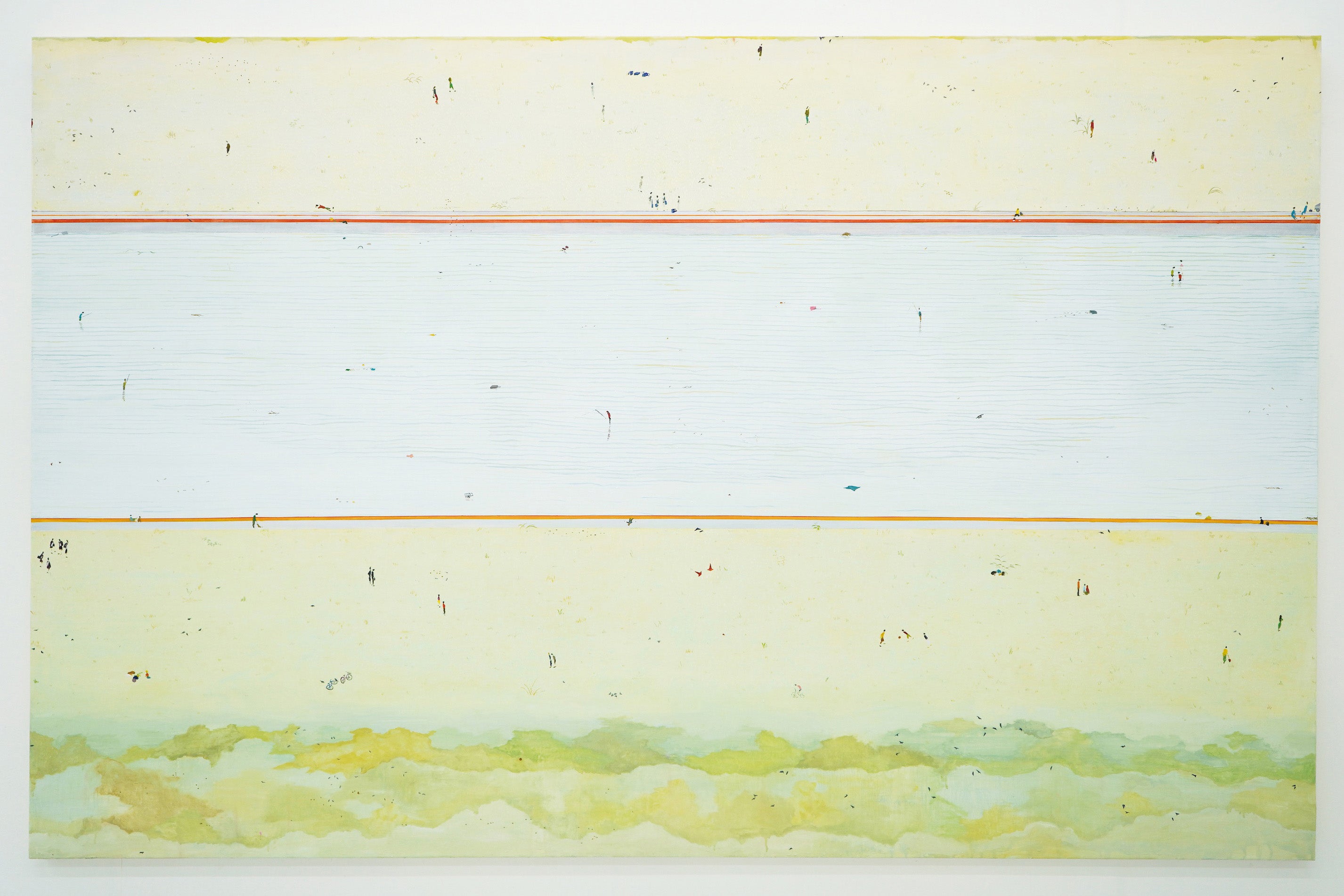
02 Kazuki Horide / Nagoya University of Arts <MARUNOUCHI WORKERS Award>
《Work name》
Erosion, transport, deposition
Erosion, Transport, and Deposition
Comments from judges regarding passing the first round of judging.
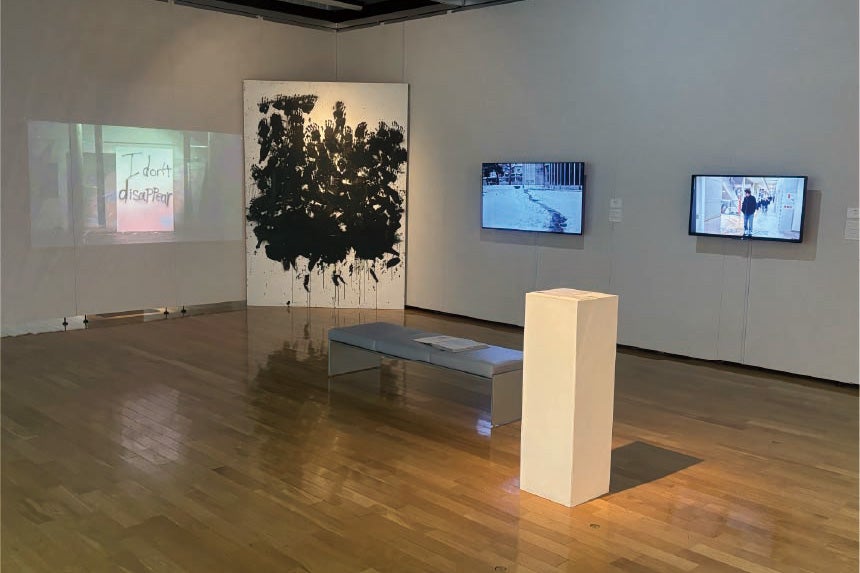
When viewed from a distance, Kanatsuki Horide's works appear abstract, but upon closer inspection, human figures become visible, revealing that they depict roads, lawns, or bodies of water. Along with this surprising revelation, the activities and relationships of each individual become apparent, creating a captivating sense of life taking place in a corner of the vast universe. (Tomio Koyama / Representative of Tomio Koyama Gallery, Advisor to the Japan Contemporary Art Dealers Association)
03 Rintaro Koide / Akita Public University of Arts
《Work name》
It disappears, yet it doesn't disappear. It changes, yet it doesn't change.
It disappears, yet does not disappear. It changes, yet does not change.
Comments from judges regarding passing the first round of judging.
A young man walks through a shopping mall. But upon closer inspection, it becomes clear that everyone around him is passing him backward, and the video is actually a reverse playback of him walking backward alone. In another work, time is reversed, with the figure bumping into a wall smeared with ink to wipe it off. In yet another video, an invisible man shoveling snow seems to expose the invisible labor that has been left out of economic activity. These works remind us once again of the principle of imagination: changing our perspective on the world can make what we take for granted seem anything but ordinary. (Eriko Kimura / Director of Hirosaki Brick Warehouse Museum)
04 OIRA (OIRA) / Tama Art University <Judge Yusaku Imamura Award>
《Work name》
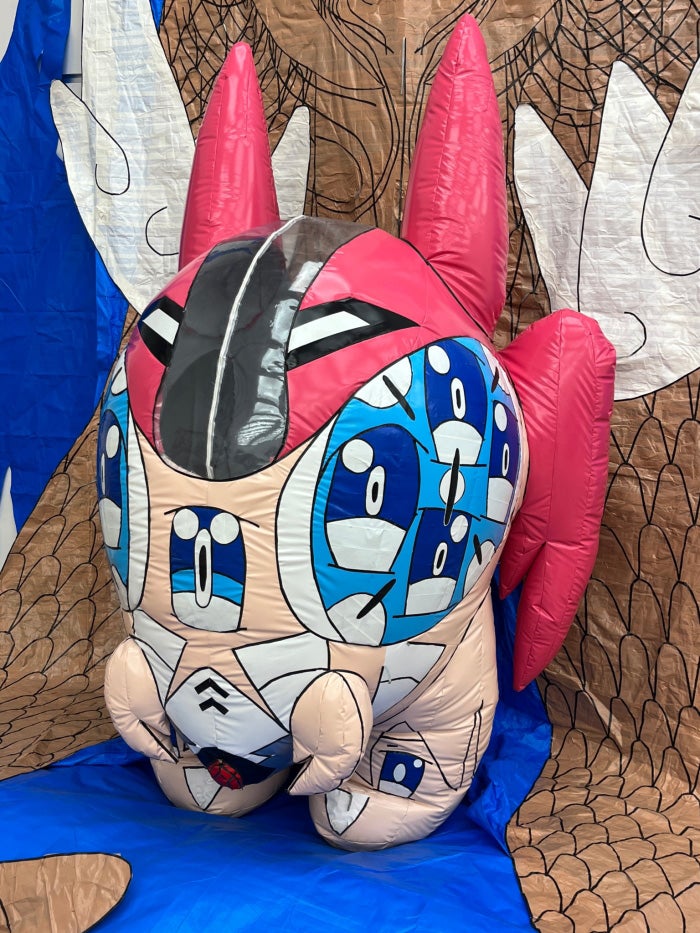
DX・Z・D・3=D (Deluxe Z Dragon Three Destroyer)
DX・Z・D・3=D(deluxe・Z・dragon・III=destroyer)
Comments from judges regarding passing the first round of judging.
Japan has produced many monsters on television since the end of the war. For many boys, monsters are a familiar part of their childhood. However, as they grow up, monsters disappear from their surroundings. But OIRA makes monster costumes. He calls these clumsy and humorous costumes, which he himself calls "junk," "combat suits." There are times when people must confront the monster that is society. Like OIRA, we too may be unknowingly creating our own battle suits. (Yusaku Imamura / Former Vice President of Tokyo University of the Arts)
[Comments from the judges upon receiving the award]
Art today has often involved drawing on representations and expressions from subcultures that are abundant in society to create works of art. Within this context, OIRA does not extract representations, but rather deliberately focuses on the concepts of bodily augmentation and transformation expressed in superhero shows and robots, and creates mascot costumes based on these themes. These are not mascot costumes for living in virtual reality, but rather armor that we need to live in our everyday lives. OIRA's work is a heartfelt response to this reality of ours. (Yusaku Imamura / Former Vice President of Tokyo University of the Arts)
05 Amane Nakamura / Nagoya University of Arts and Design
《Work name》
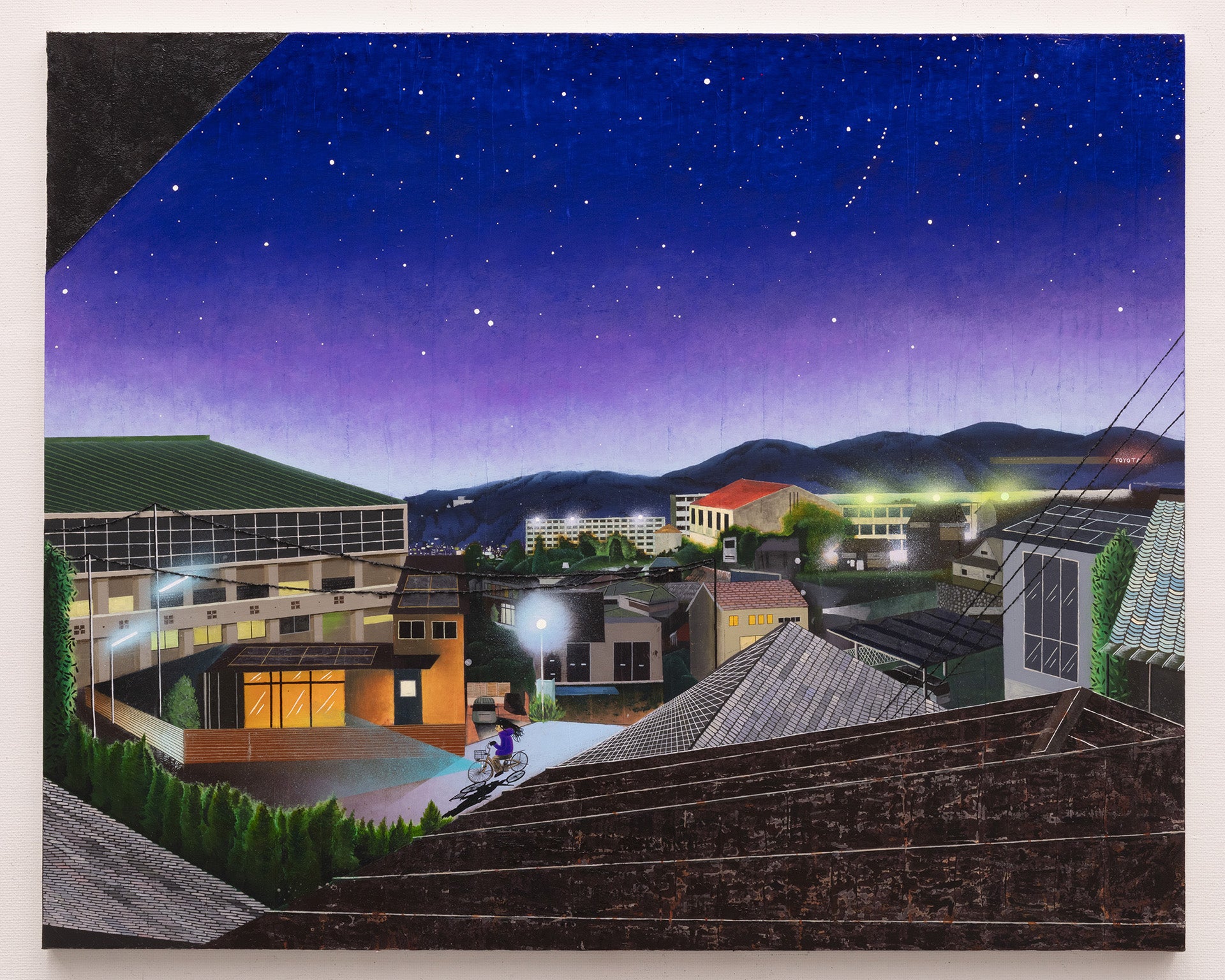
Nightcore
Nightcore
Comments from judges regarding passing the first round of judging.
Tenrei Nakamura says he wants to connect the context of Japanese anime with the forms of Renaissance painting. While his works certainly depict landscapes influenced by anime, Nakamura's work gives the impression that the landscapes created by this contemporary culture are absorbed by the ancient culture of painting, reminding me once again that anything is possible with the medium of art. His ambition to depict an entire world, reminiscent of early Miro, is captivating. (Tomio Koyama / Representative of Tomio Koyama Gallery, Advisor to the Japan Contemporary Art Dealers Association)
06 Vivi Zhu / Tokyo University of the Arts Graduate School
《Work name》
Unlock your heart
My Heart, (On) Unlock
Comments from judges regarding passing the first round of judging.
East Asian women, having learned more about love from fiction during their formative years, continue to experiment with what form of love truly satisfies them, transcending the boundaries between reality and fantasy. This is both a resistance against the oppressive society and an act of transforming the concept of freedom to suit their desires. I sympathize with the intention to create works that serve as a shared platform, rather than treating these unconventional people as outsiders, but rather as companions to their lives. (Tomoko Yabumae / Curator, Museum of Contemporary Art Tokyo)

07 Yini Ji / Seian University of Art and Design
《Work name》
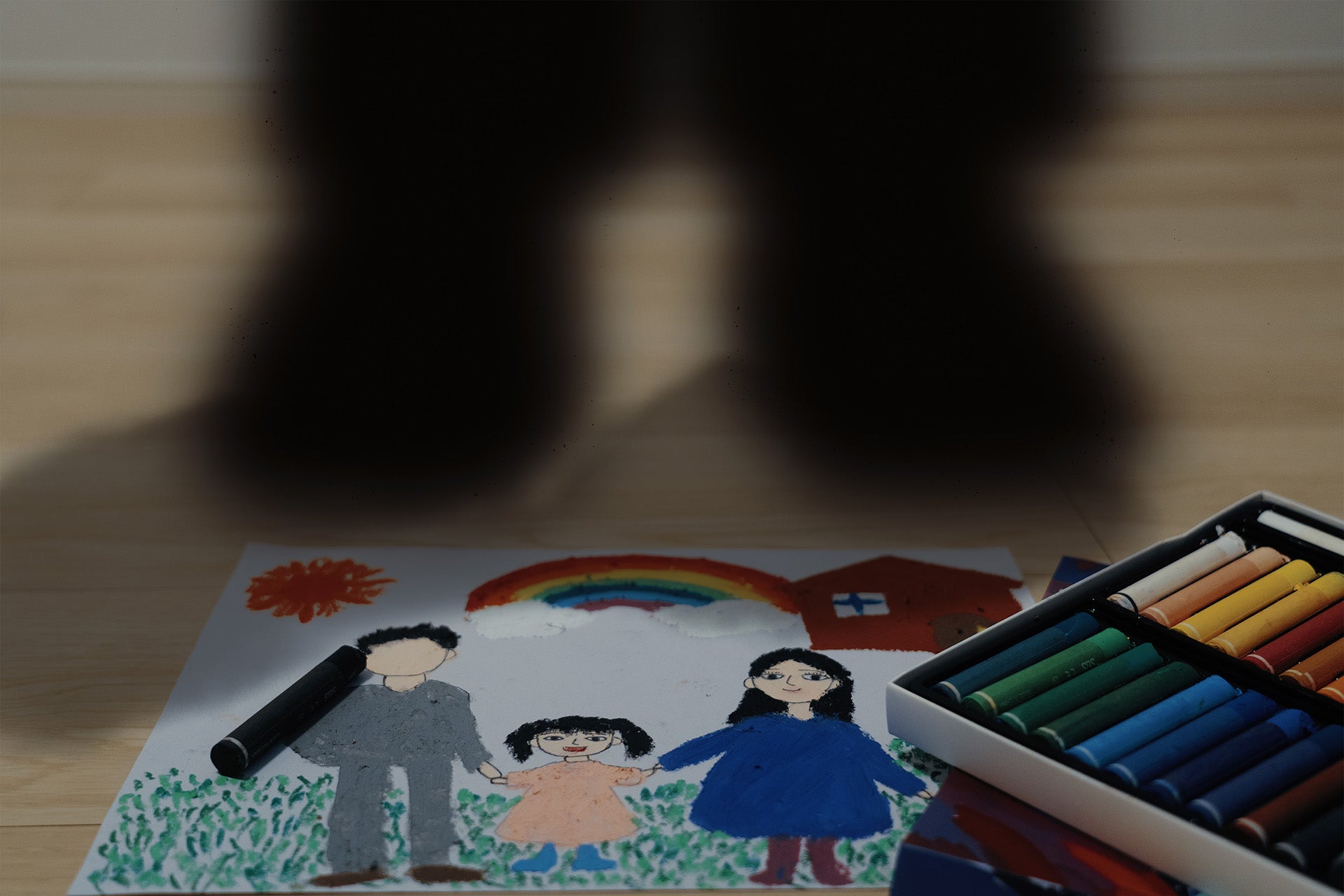
I have no clue who you are
Comments from judges regarding passing the first round of judging.
There is a special work that makes me think that when considering the relationship between oneself and the world, this is where the artist must have started. In this work, the artist attempts to approach the absence of his father, who is the foundation of his existence, by playing the role of his mother and using AI. This work vividly teaches us the essence of self-exploration, the very essence of expression. It also shows that it is not something that leads to a conclusion, but rather a process that branches off into multiple paths the further you go. (Tomoko Yabumae / Curator, Museum of Contemporary Art Tokyo)
08 Riru Mizuguchi / Tokyo University of the Arts Graduate School <Obayashi Prize>
《Work name》
DAUB!
Comments from judges regarding passing the first round of judging.
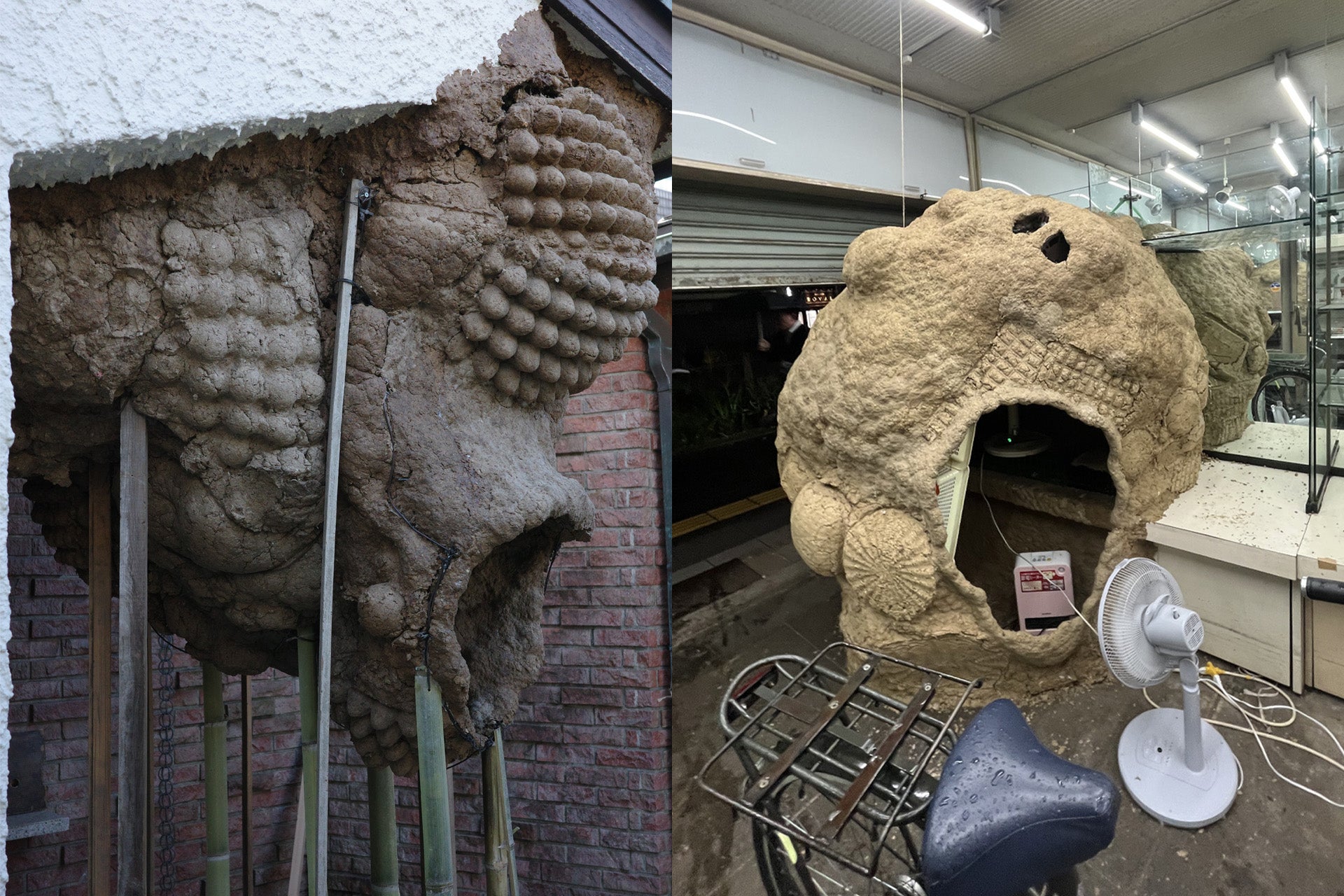
The theme of the work is "nest." When we hear the word "nest," we imagine a personal space isolated from the outside world, but for the artist, nest-building is an opportunity to encounter the surrounding place and people. Through these interactions, the artist changes, and at the same time, the form of the nest—the artwork—changes. Rather than simply looking at one's (already existing) inner self, this proactive attitude of seeking to discover a new self through interactions with others and the environment energizes the nest—the artwork—and makes it something that only the artist could achieve. (Yuko Ikeda / Director of Mitsubishi Ichigokan Museum, Tokyo)
[Comments from the judges upon receiving the award]
I had the opportunity to see 20 works, ranging from installations to paintings. I was particularly drawn to the pieces that were "unlike anything I'd ever seen before, without any sense of déjà vu." I believe it's important to cultivate the ability to see things and grasp their essence. I think it's especially important to develop and build upon such abilities while you're young.
Riru Mizuguchi's "Nest Building" artwork, imbued with such power, was highly original and visually very appealing. I was also overwhelmed by the idea and scale of building a nest. (Sponsored by Takeo Obayashi, Chairman and Director of Obayashi Corporation)
09 Tatsuru Hatayama / Tokyo University of the Arts Graduate School <Grand Prix>
《Work name》
The myth of the butterfly
The Myth of a Butterfly
Comments from judges regarding passing the first round of judging.
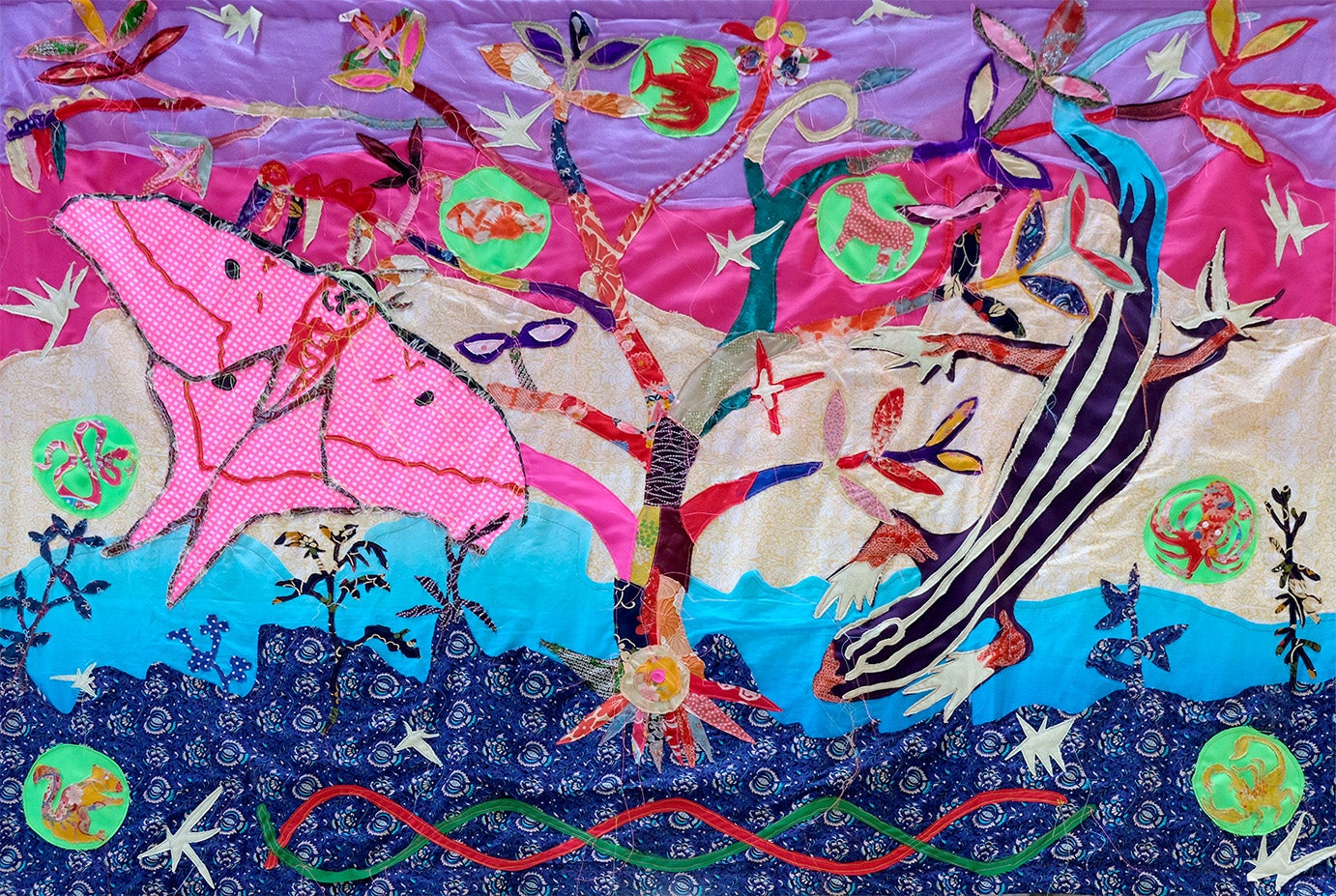
Patchwork, created by sewing together small fragments, has long been seen as a marginal activity in the world of art and crafts, serving as a means of community building among women and as part of domestic labor. Embracing this structure and history, this work depicts how tears, a symbol of a small, individual life, connect with and circulate within the world. The motif and the structure and history of the medium are inextricably linked, resulting in a compelling expression. (Tomoko Yabumae / Curator, Museum of Contemporary Art Tokyo)
[Comments from the judges upon receiving the award]
This work transforms the familiar places of Yokohama and Toride, which are within the artist's own living area, into a global map, and expresses the imagination that circulates in the mind during the short time of "the way home" through textiles. However, while it appears to be dealing with a personal time and space, what appears on the screen is the image of the Fukushima Daiichi Nuclear Power Plant and other images of the world that we face directly or indirectly. The artist, who has worked with various methods such as painting and video, has arrived at the patchwork technique, and the "flexibility" of this technique, combined with the work itself, reveals the artist's attitude of earnestly confronting the events of the world. (Eriko Kimura / Director, Hirosaki Brick Warehouse Museum)
10. Ibuki Katsumi / Aichi Prefectural University of the Arts Graduate School < Mitsubishi Ichigokan Museum, Tokyo Award>
《Work name》
To lie down on the same stage
To Lie Down on the Same Ring
Comments from judges regarding passing the first round of judging.
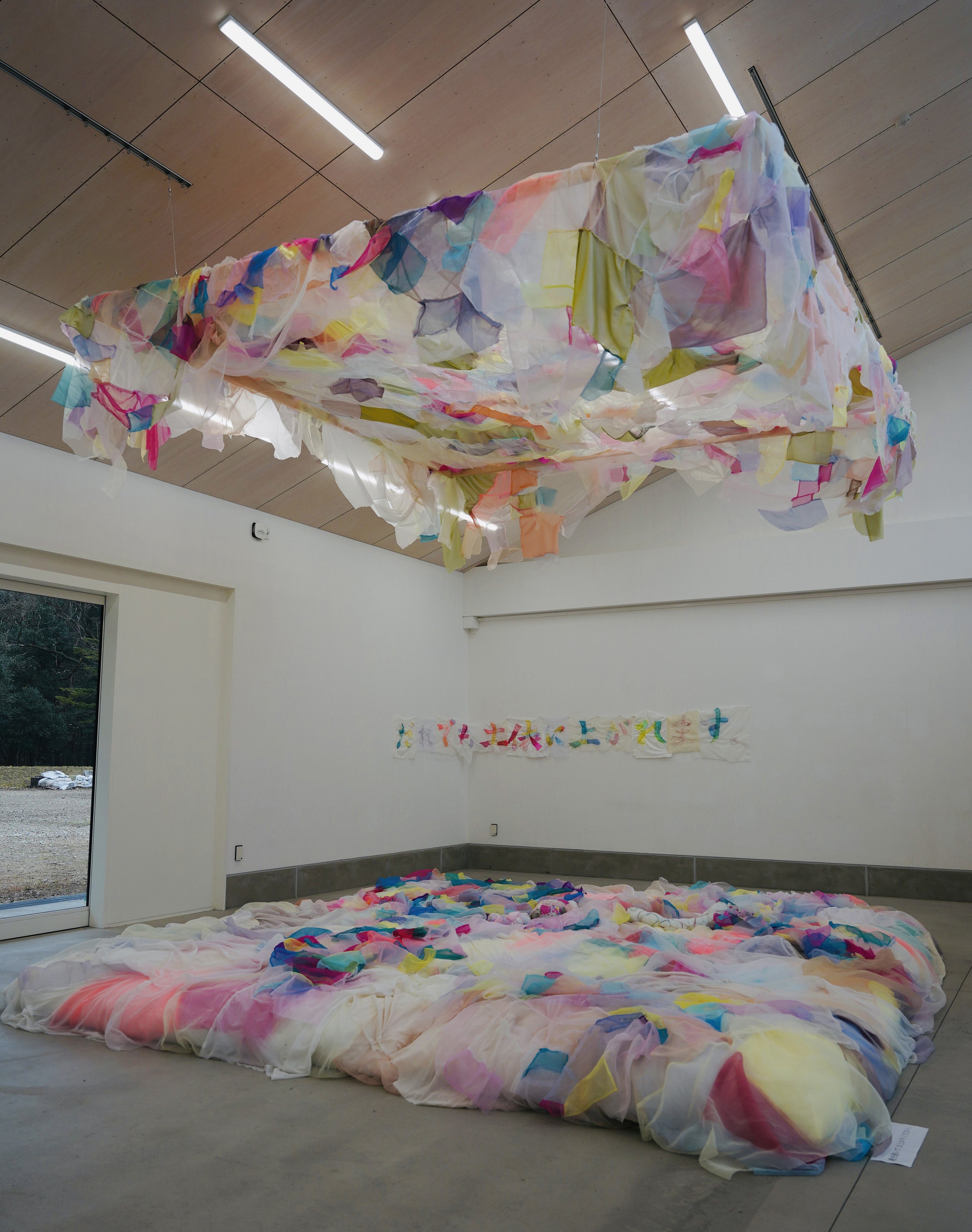
Living human beings possess physical bodies, and society is built upon these human beings—their bodies. As biological beings, all humans are fundamentally the same in their basic composition. However, society draws lines between humans and their bodies based on various norms. Katsumi attempts to illuminate the problem of these norms and bodies, which sometimes feel unreasonable in the course of human life, through her artwork. The scenes of "the same playing field," expressed with pastel-colored fabrics, are her questioning of norms and a humorous answer. (Yuko Ikeda / Director of Mitsubishi Ichigokan Museum, Tokyo)
[Comments from the judges upon receiving the award]
Art is an open, neutral zone, a free and interesting place where diverse opinions are spoken and heard. Katsumi's sumo ring, made of light and translucent organza, invites everyone into its intimacy with the body. Furthermore, its soft colors and textures encourage dialogue within the ring with a touch of humor. I believe this is what is most needed in today's world, which is dominated by conflict. (Yuko Ikeda / Director of Mitsubishi Ichigokan Museum, Tokyo)
11. Ayalguun / Kyoto University of the Arts Graduate School
《Work name》
The third breath of humankind
The Third Breath of Human
Comments from judges regarding passing the first round of judging.
Born in 2000 in Inner Mongolia, China, Airagon grew up in an environment transitioning from nomadic to pastoral culture. The concept behind his work is "weaving." He braids hair, braids rope, and weaves sounds and words. The "3" in "Mitsumi" (three-strand braid) is not a binary opposition, but rather a driving force that generates and develops more complex works of material, words, and time. Furthermore, he himself is a performer who sings throat singing (khoomei) and plays instruments, and his body is the key to the installations he creates. In an era where space and time are increasingly disrupted, his appearance also seems like a ritual for the regeneration of the world. (Shigeo Goto / Editor, Creative Director, Professor Emeritus, Kyoto University of the Arts)

12. Taisei Ueta / Musashino Art University
《Work name》
Signboard holder to Ryugu-jo (Dragon Palace)
signboard holder to the Ryugu Castle
Comments from judges regarding passing the first round of judging.
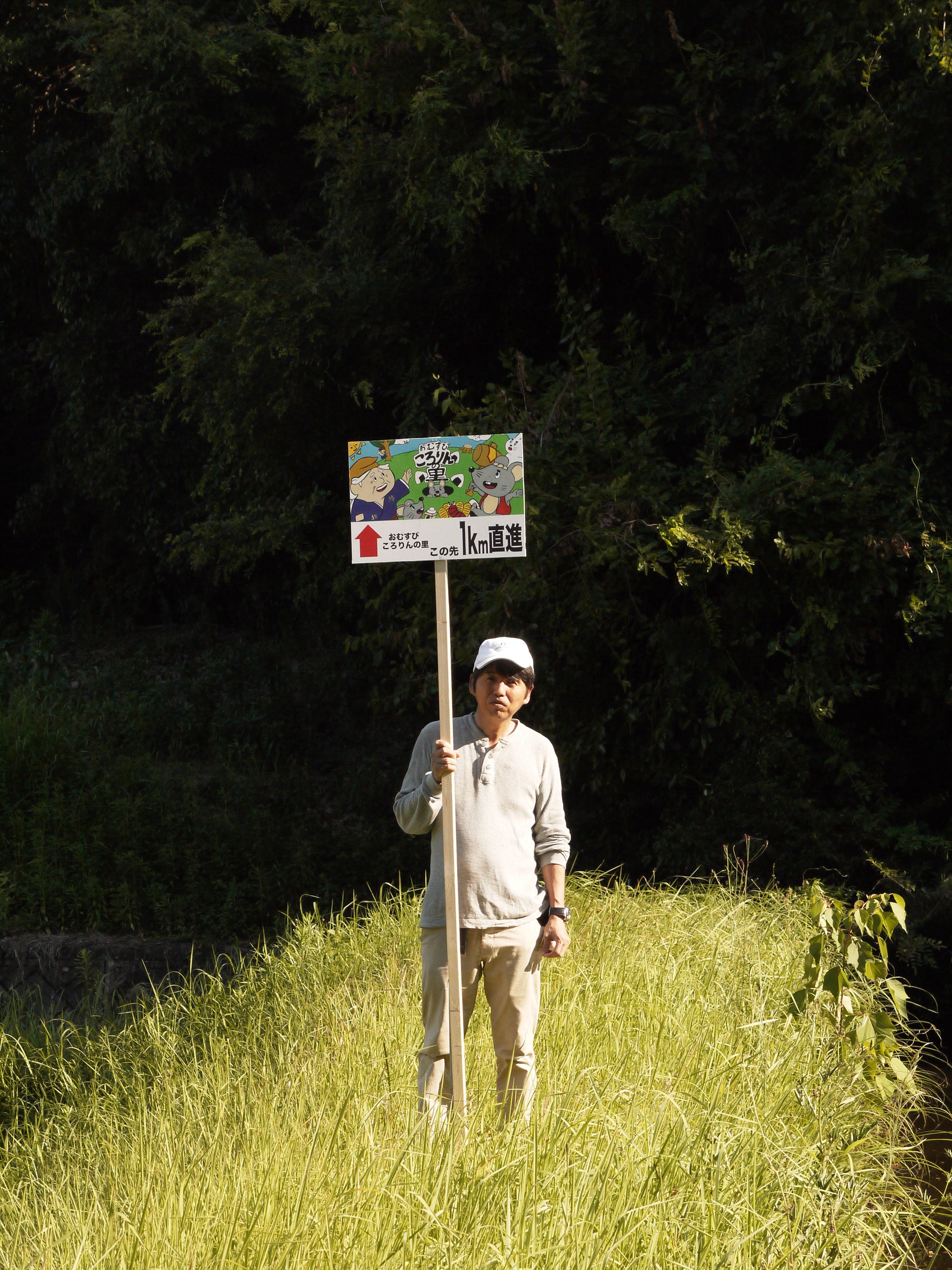
This film is a video of a "worker" who, following the director's instructions, continues to guide people to a non-existent place, "Ryugu-jo" (the Dragon Palace), in a place where no one ever passes by. The video shows him working as a day laborer, with an 8-hour workday and a 1-hour break. At first glance, it's a nonsensical video where it's hard to understand what's happening, but it contains a critical perspective on the theme of "futile labor" that exists in modern Japan. The approach of combining nonsense and criticism makes this a unique work. (Yusaku Imamura / Former Vice President of Tokyo University of the Arts)
13. Touseiyo (TANGQINGYU) / Kyoto University of the Arts Graduate School
《Work name》
When She Begins to Grow Inside the Empty Vessel
Comments from judges regarding passing the first round of judging.
These works, which name things like fungi and hair—things that multiply, grow, and exist in the space between existence and non-existence without a central point—and entrust them with affection for someone far away, can be said to deconstruct the concept of a unique identity and redefine it as something that only takes shape through relationships with others. This practice of imagining each other as such fragile beings is full of the promise of changing how we see the existing world. (Tomoko Yabumae / Curator, Museum of Contemporary Art Tokyo)
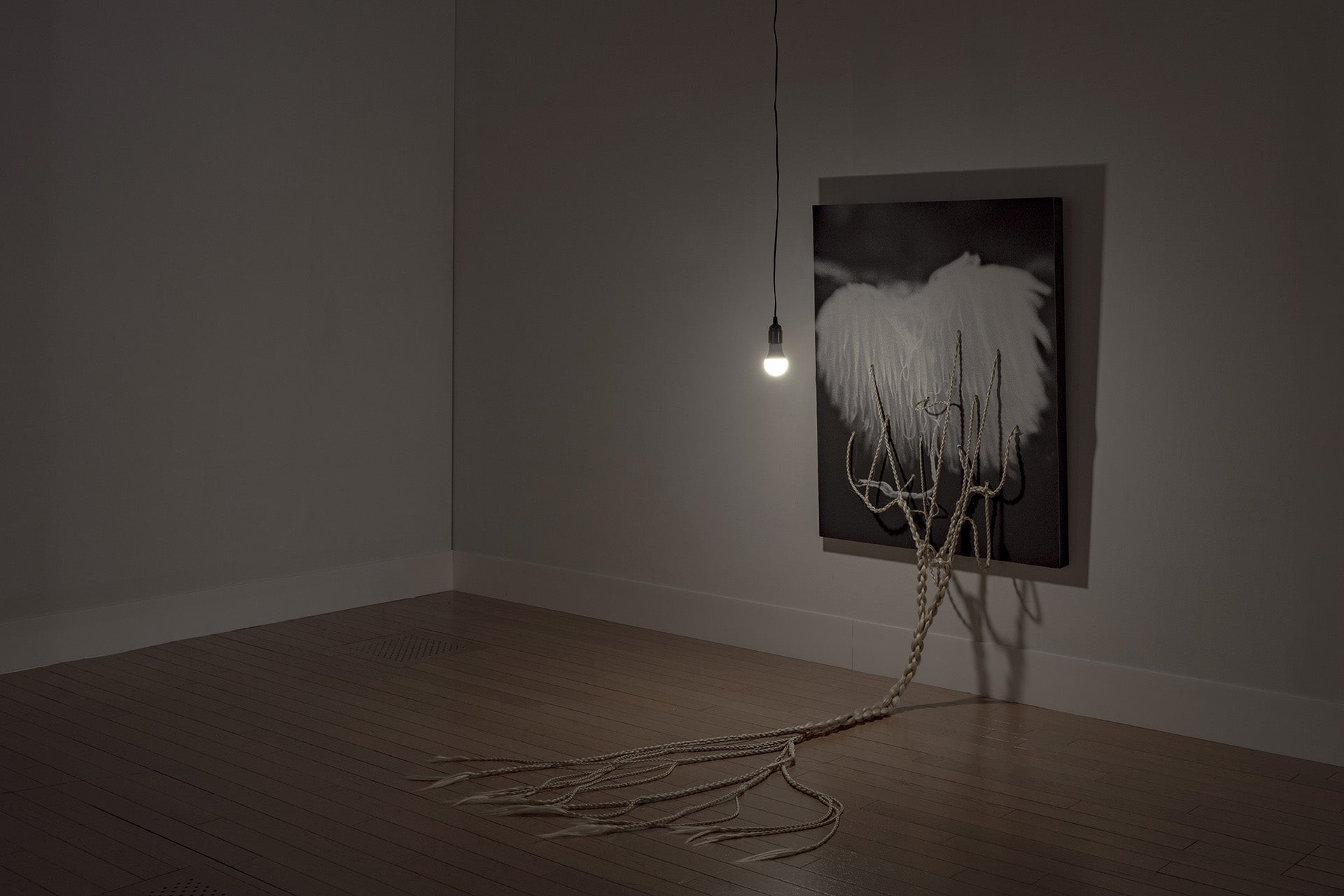
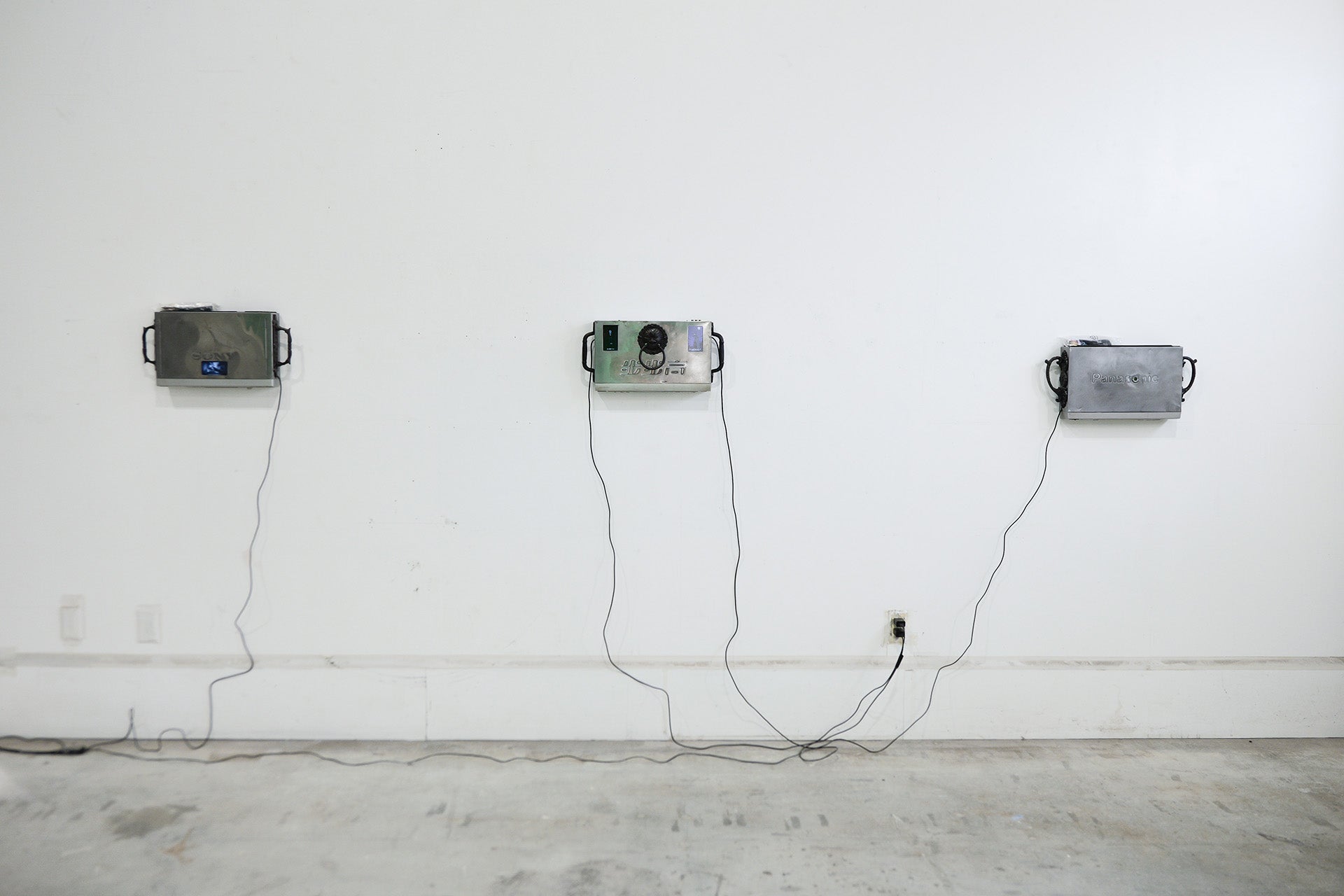
14. Mingsen Zou / Tama Art University Graduate School <Judge Tomoko Yabumae Award>
《Work name》
A grand monologue
The Great Monologue
Comments from judges regarding passing the first round of judging.
Contrary to its title, "The Grand Monologue" is a small-screen work created using three old DVD players. The captivating AI-generated animation and footage so realistic it could be mistaken for actual records are accompanied by text written by Zou himself, also translated and spoken aloud by AI. Alongside the issues of truthfulness inherent in AI, the work presents, with irony, contemporary problems such as the asymmetry of dialogue, monologues in closed worlds, and the grand politicization of simple words. (Yuko Ikeda / Director, Mitsubishi Ichigokan Museum, Tokyo)
[Comments from the judges upon receiving the award]
In recent years, the AATM has seen an increase in the number of selected works by international students, particularly from Asian countries, each producing compelling expressions that explore distance, cultural differences, and journeys tracing their roots. Zou Mingsen's work, which received an individual award, also expresses the "loud voices" that are linked to nationalism and xenophobia in relation to the media itself that conveys them, and I felt it was an expression that should be seen now. (Tomoko Yabumae / Curator, Museum of Contemporary Art Tokyo)
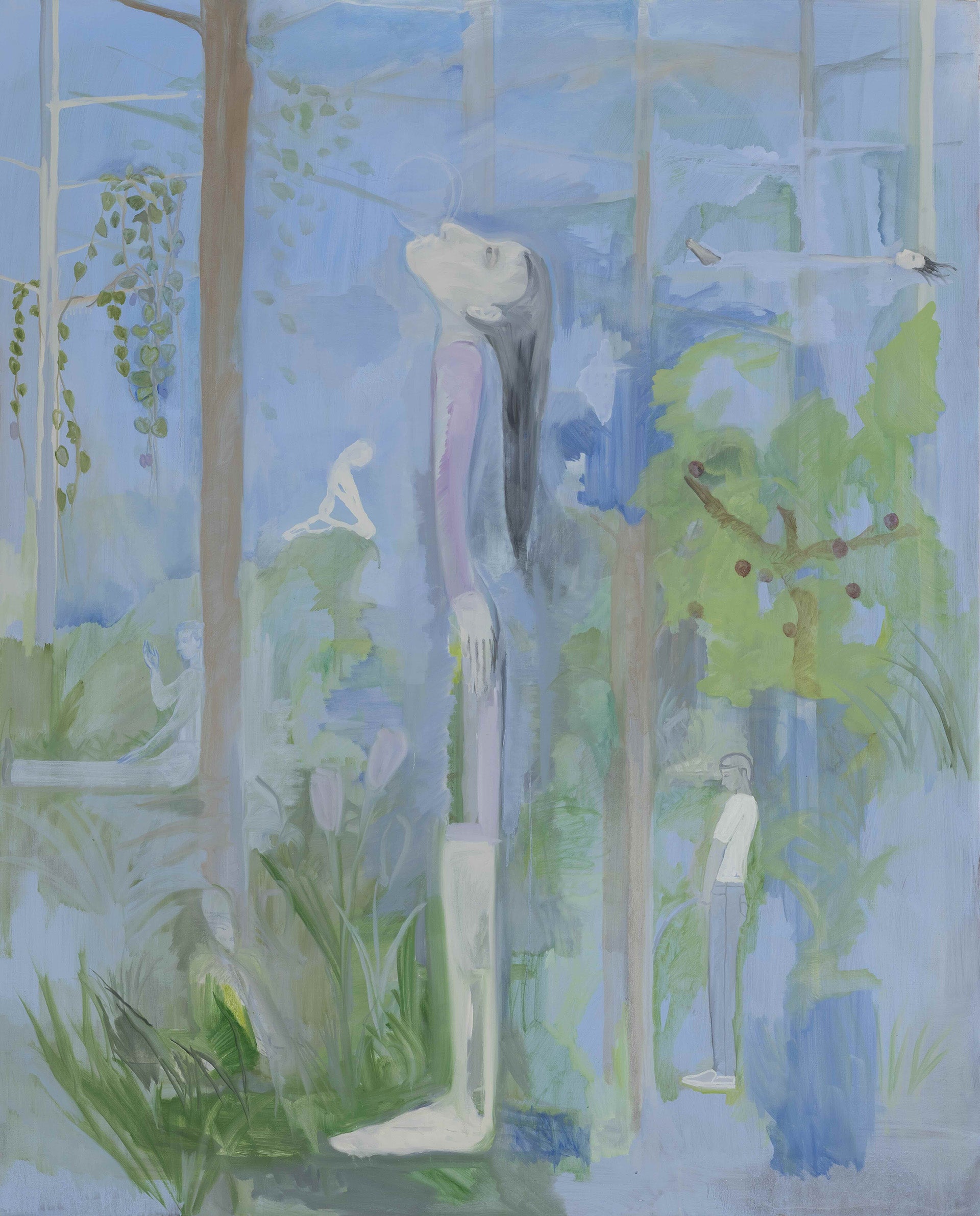
15. Arisa Odawara / Tama Art University <Judge Tetsuya Tatehata Award>
《Work name》
On the way
On the way
Comments from judges regarding passing the first round of judging.
The paintings come into being, grow, and take shape not from loud ideologies or theories, but from murmurs in everyday life and the subtle yet distinct sensations of daily life. The charm of Arisa Odawara's paintings comes from this. The remnants of conversations with friends, the scene of "canvases" gathered on the lawn when you look back, or sometimes the everyday reality of "photochemical smog." "On the way" or "towels" are also depicted. All of these are fragments of action, familiar events. But there can be no greater reality than that. Her watercolor drawings are records of such trivial but important days. However, strictly speaking, they are quite different from accurate depictions or records.
What's important is the record of the daily process of working with her hands, of something being created on the canvas, that is, as a picture. The inhabitants of those pictures may have been real people, but now they are detached from that reality and exist within Arisa Odawara's paintings as something tangible that transcends time and space, like the inhabitants of ancient cave paintings. (Shigeo Goto / Editor, Creative Director, Professor Emeritus at Kyoto University of the Arts)
[Comments from the judges upon receiving the award]
Arisa Odawara's works, both drawings and oil paintings, possess a truly unique world, and I was captivated by how she imbues everyday scenes of people with an air of mystery. It could even be described as a kind of poetry unique to static composition. (Akira Tatehata / Professor Emeritus, Tama Art University)
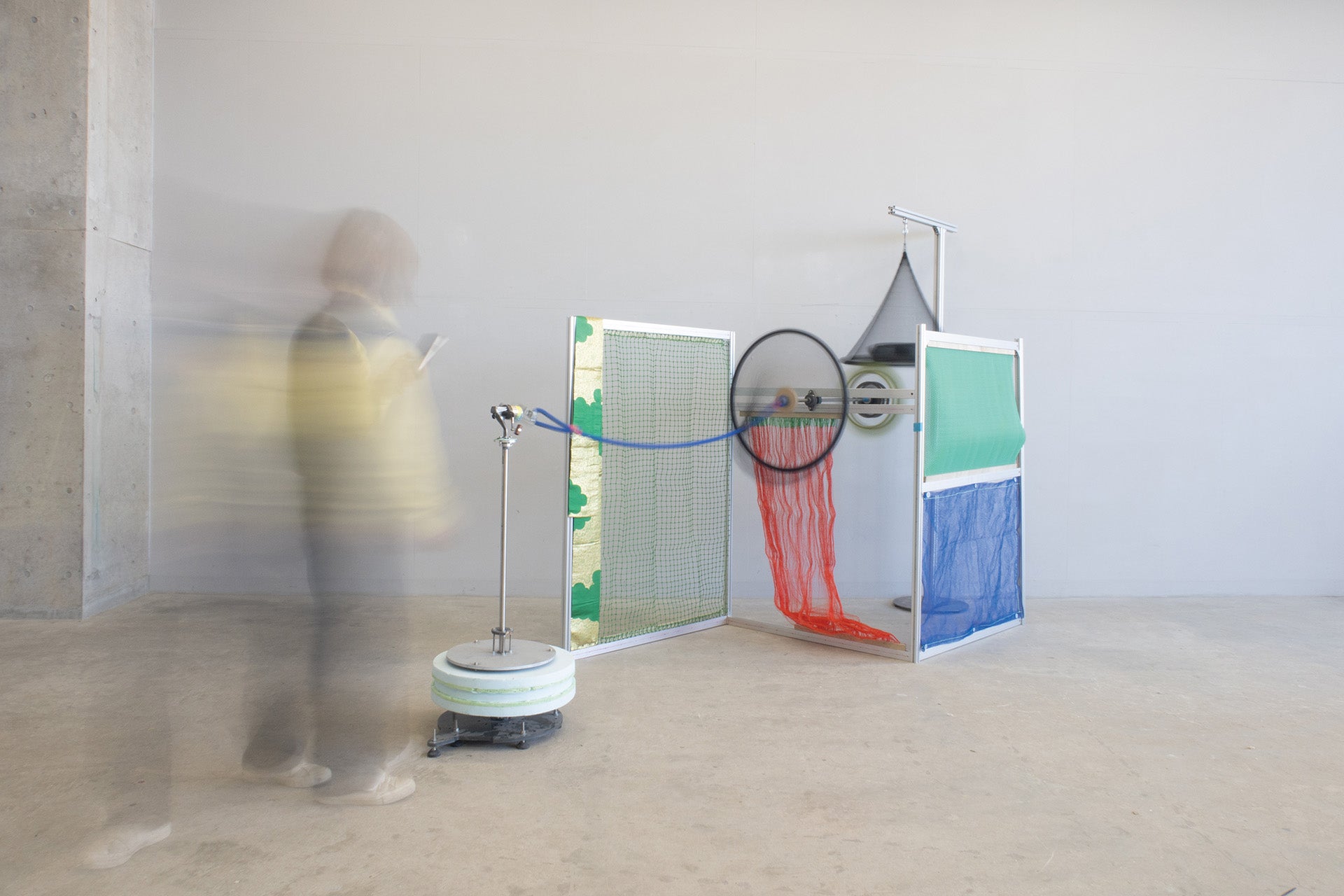
16. He Ziyu (KASHIU) / Musashino Art University Graduate School <Judge Tomio Koyama Award>
《Work name》
The Realist in the Exile ver.3
The Realist in the Penal Colony
Comments from judges regarding passing the first round of judging.
The central "question" in the work of He Ziyu, who hails from Sichuan Province, China, lies in why humans perceive certain things as truth, as real. Her graduate thesis, "The Realist's Fortune Telling Ver. 1," inspired by AI fortune telling, was a device that allowed viewers to experience systems such as "faith, fortune telling, algorithms, labor, and social order." It presented the paradox of this unverifiable fiction taking on a realistic credibility. Her AATM exhibit, "The Realist in Exile," was inspired by Kafka's novel "In the Penal Colony," and is a device in which an unfinished machine made of robes and gears continues to move despite its incompleteness. The audience, too, inevitably becomes part of this endlessly evil social apparatus. The fact that He Ziyu's devices use bright and colorful everyday industrial products ironically and humorously tells us about the chronic ailment we suffer from in "exile." (Shigeo Goto / Editor, Creative Director, Professor Emeritus, Kyoto University of the Arts)
[Comments from the judges upon receiving the award]
He Ziyu's installations allow viewers to experience something and become involved in them. The details subtly take effect and continue to influence the viewer. That is the fascinating aspect of art as an object, and I hope that one day I will be able to see and be involved in one of He Ziyu's gigantic installations. (Tomio Koyama / Representative of Tomio Koyama Gallery, Advisor to the Japan Contemporary Art Dealers Association)
17. Nono Matsuda / Kanazawa College of Art
《Work name》
Tender
Comments from judges regarding passing the first round of judging.
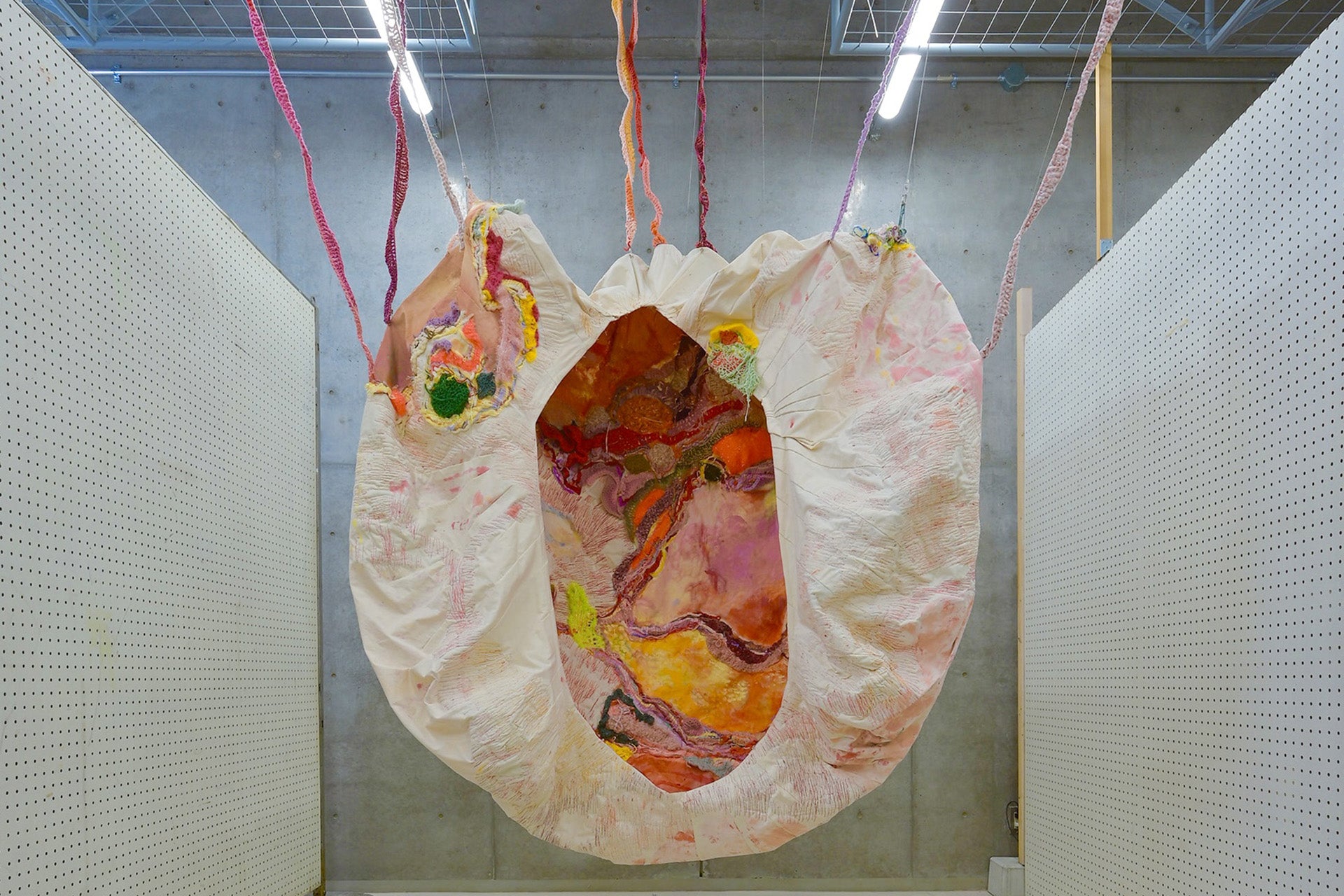
Inside the pouch, large enough to completely enclose an adult's body, layers of natural colors are visible, resembling vibrant mineral strata, a flower field viewed from afar, or even internal organs, flesh, and blood vessels. For example, imagining oneself wearing this, one might feel it as new skin, fat, or even a womb to protect oneself. On the other hand, being pulled and suspended from all sides, it also looks like torn-off skin. It seems to simultaneously evoke feelings of being protected and exposed, contradictory bodily sensations in social life. (Eriko Kimura / Director of Hirosaki Brick Warehouse Museum)
18. Sakurako Shirai / Kyoto University of the Arts Graduate School <Judge Yusuke Komuta Award> (Special Judge)
《Work name》
A feigned gaze
The Adorned Gaze
Comments from judges regarding passing the first round of judging.
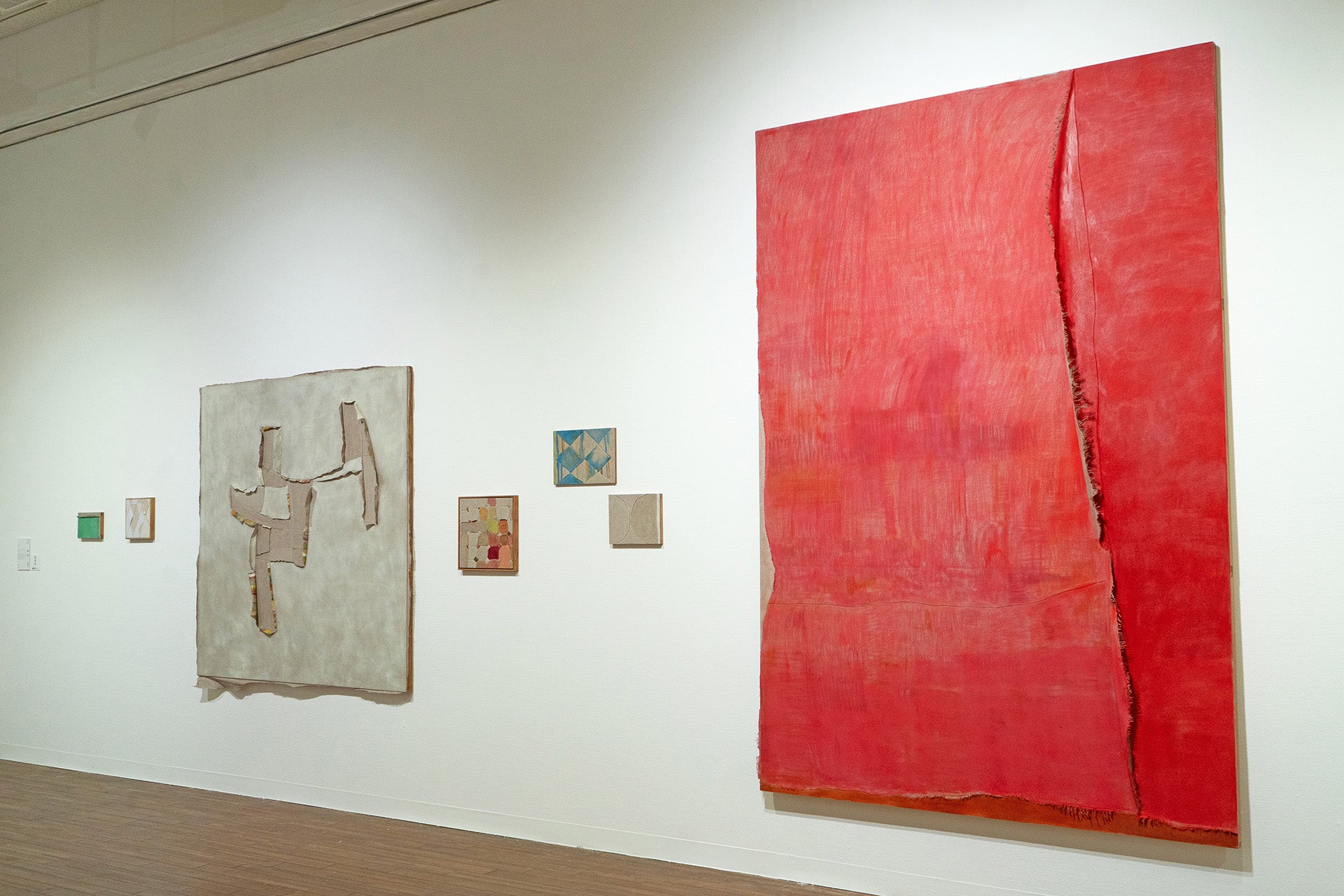
What I find most appealing about Sakurako Shirai's work is not only the beauty of its colors and forms, but also her unique approach to space. She creates actual space on the canvas by raising the edges of the canvas or creating gaps that allow elements to be tucked into the background. This space extends both into the background and into the foreground. It strongly appeals to the sense of touch. While we can only see, we can experience multiple senses. That's what I found so fascinating. (Tomio Koyama / Representative of Tomio Koyama Gallery, Advisor to the Japan Contemporary Art Dealers Association)
[Comments from the judges upon receiving the award]
I resonated with how the artist develops their work starting from familiar perspectives and memories, such as choosing clothes or primal landscapes, and how they carefully capture the underlying aspects of the materials and the expressions that emerge during the production process.
I could imagine Shirai continuing to explore the inexpressible charm of materials. (Yusuke Komuta / Artist, AATM2007 exhibitor)
19. Xiangqi Yin / Nagoya University of Arts <Judge Shigeo Goto Award>
《Work name》
parabola
Paranail
Comments from judges regarding passing the first round of judging.
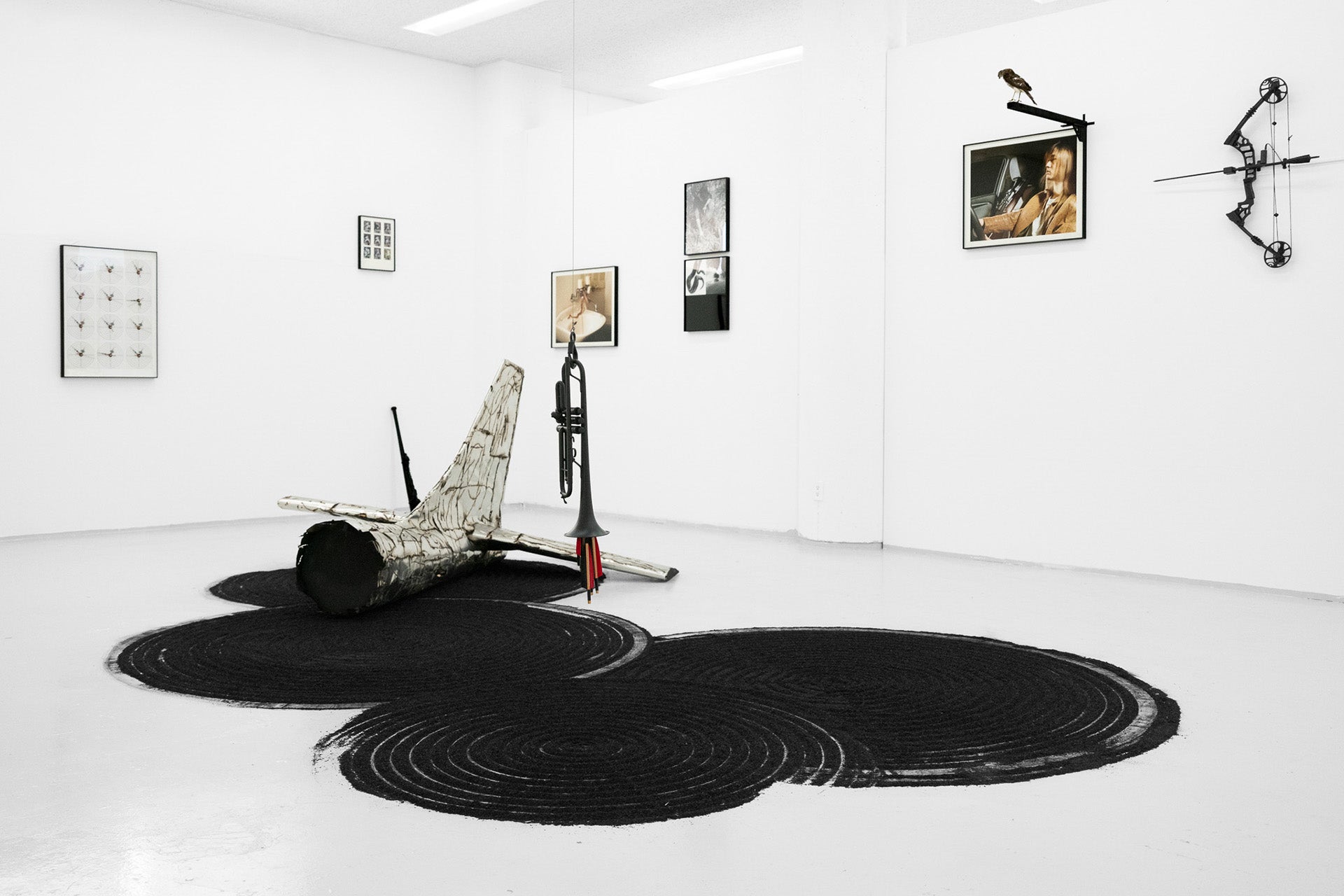
As the use of unmanned weapons and AI in warfare becomes commonplace, how are human image generation and cognition being forced to transform? This is the central question at the heart of Yoon's art. He combines photography, installation, video, and devices to compel viewers to experience the power structures, historical memories, and technological media in which they are placed. His work exhibited at AATM focuses on "throwing," an act inherent in humankind from its origins. This connects to the theme of long-range violence (beyond the physical limits of humans) common to modern-day missiles, drones, stone-throwing, and the use of clubs. Yoon visualizes this using "parabolas and targets." He coldly confronts us with the fate that the violence we use every day is bound by the causal relationships of universal physical laws. (Shigeo Goto / Editor, Creative Director, Professor Emeritus, Kyoto University of the Arts)
[Comments from the judges upon receiving the award]
Combining photography, installations, videos, and devices, the artist addresses the issue of making contemporary violence visible. Using the representation of targets and parabolas, and combining them with everyday photographs, the artist successfully evokes narratives in the viewer. This is a promising talent. (Shigeo Goto / Editor, Creative Director, Professor Emeritus, Kyoto University of the Arts)
20. Benio Ishioka / Tokyo University of the Arts <Judge Eriko Kimura Award>
《Work name》
unit
Uknit
Comments from judges regarding passing the first round of judging.
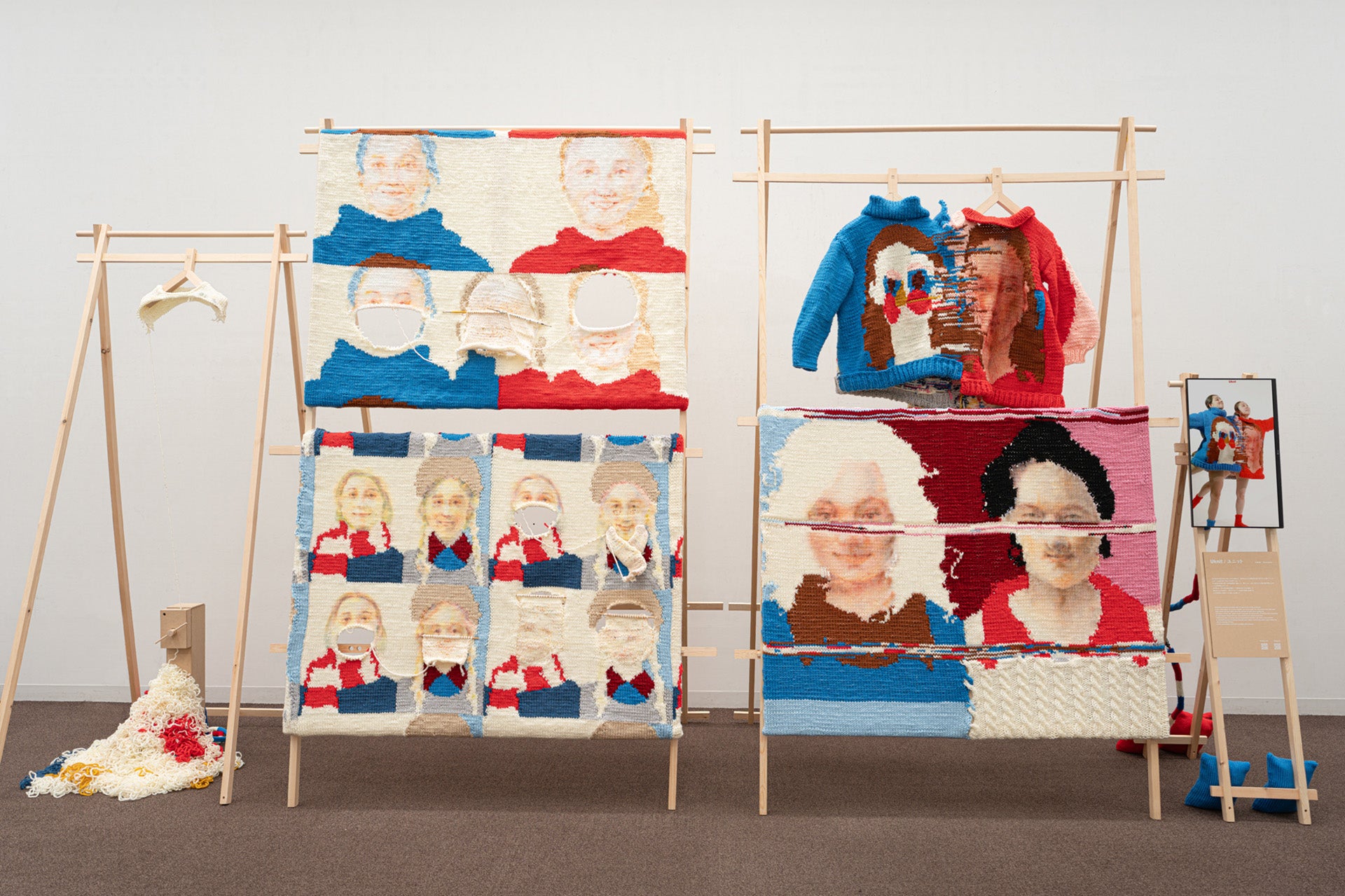
The artist's friends' faces are painted onto hand-knitted sweaters, and some pieces are even made by mixing two sweaters together. The video shows these sweaters being unraveled and returning to a single strand of yarn, making it clear that the possibility of knitting the same sweater again is extremely low. Just as people born with identical genes lead different lives, our relationships and the identities we cultivate within diverse lifestyles are as irreversible and unique as hand-knitted sweaters. (Eriko Kimura / Director of Hirosaki Brick Warehouse Museum)
[Comments from the judges upon receiving the award]
When we look back at the history of fine art, knitting has been a non-mainstream technique, or rather, a technique that has been placed outside the realm of art altogether. On the other hand, knit as clothing is a familiar material that most people around the world have worn at some point. The "softness," "plasticity," and "irreversibility" of knit as a material that have existed throughout history, and the fact that it cannot be restored to its original state once unraveled, can be seen in works that visualize the structure of communication in human society. (Eriko Kimura / Director, Hirosaki Brick Warehouse Museum)
04. Judges
Yusaku Imamura
Former Vice President of Tokyo University of the Arts
Eriko Kimura
Director of Hirosaki Brick Warehouse Museum
Shigeo Goto
Editor, Creative Director, Professor Emeritus at Kyoto University of the Arts
Tomio Koyama
Tomio Koyama, Representative of Koyama Gallery, Advisor to the Japan Contemporary Art Dealers Association
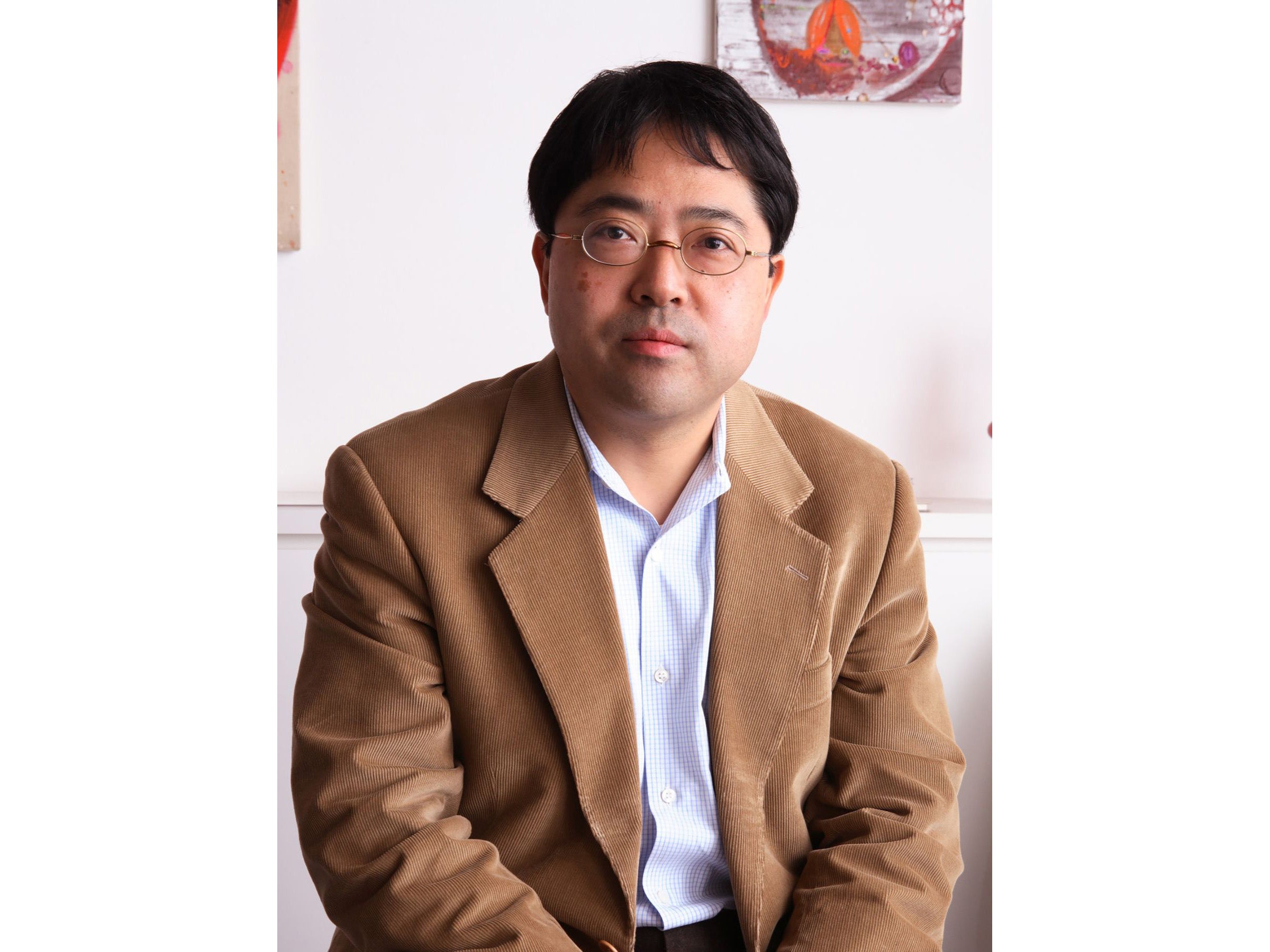
Akira Tatehata
Professor Emeritus, Tama Art University
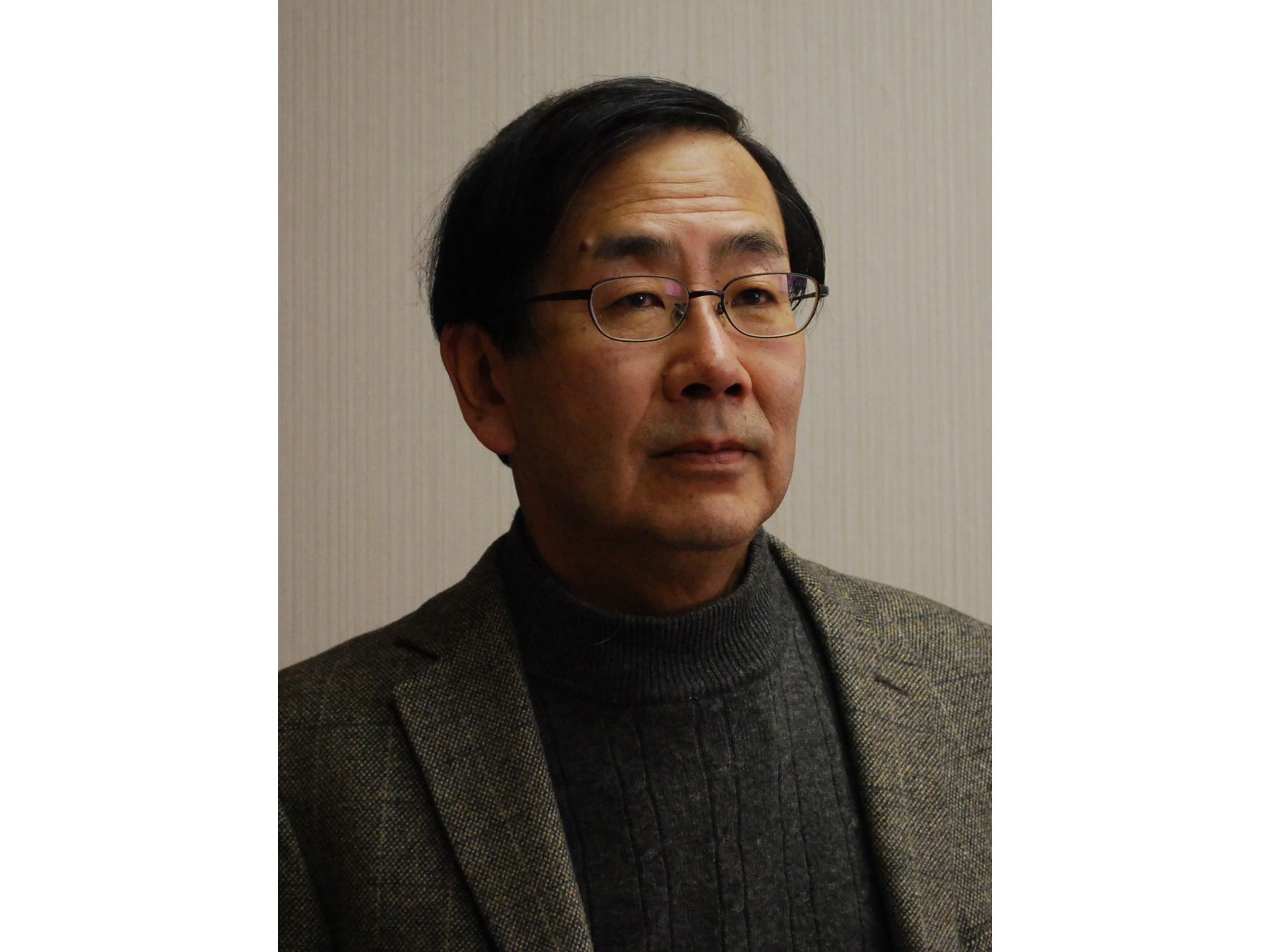
Tomoko Yabumae
Curator, Museum of Contemporary Art Tokyo
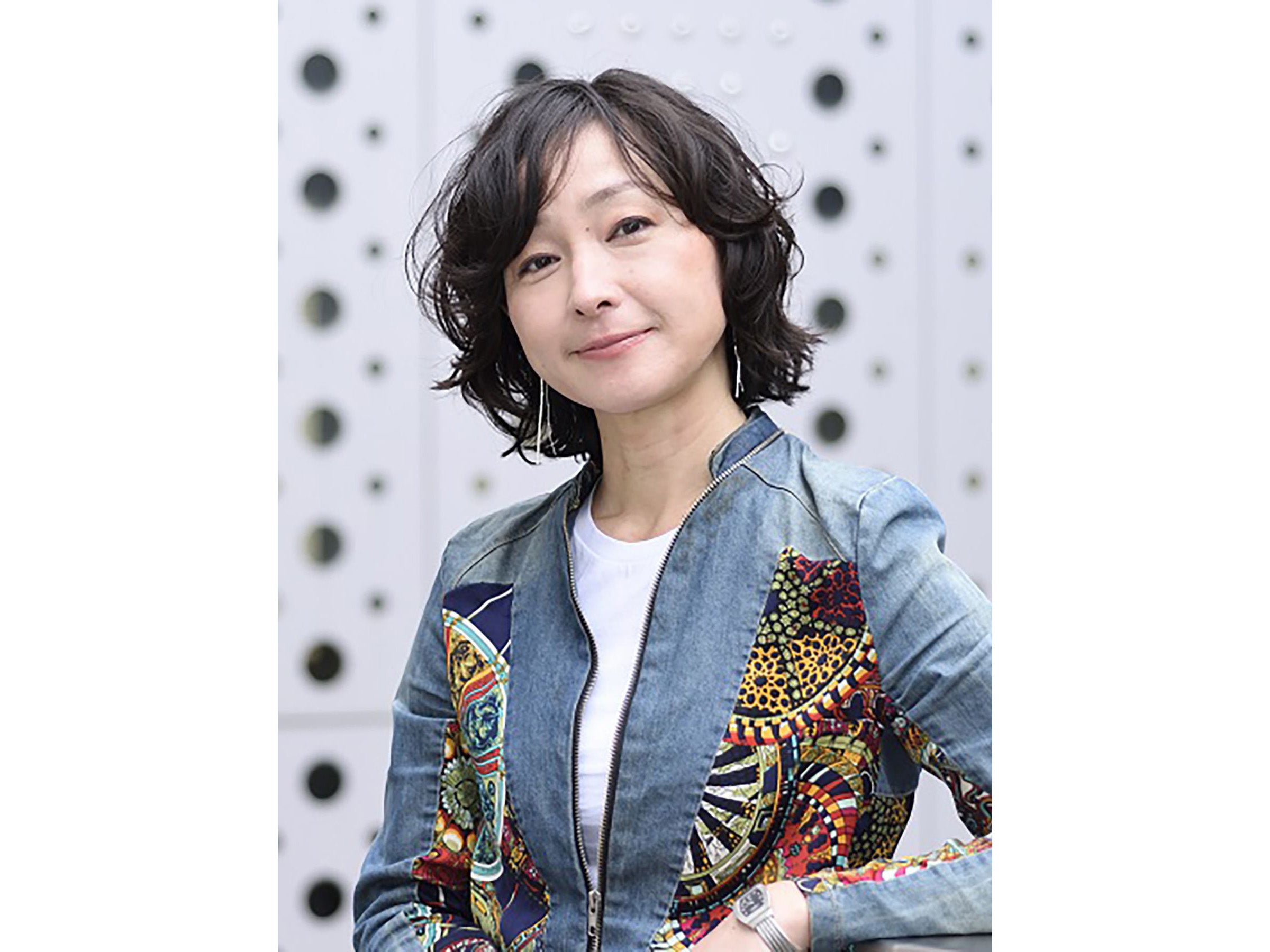
Yusuke Komuta
Artist, exhibitor at AATM2007
<Special Judges>
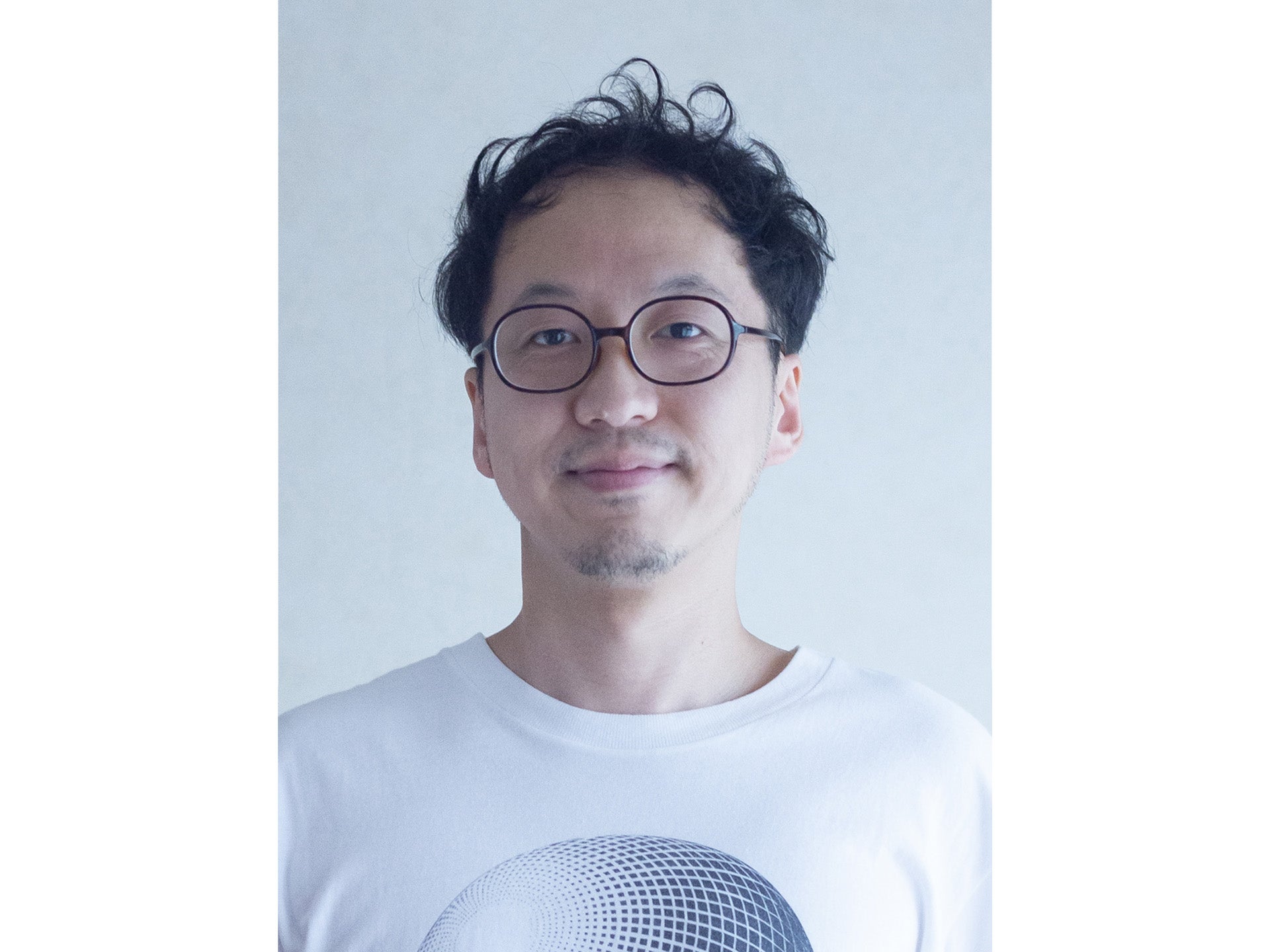
Yuko Ikeda
Director of Mitsubishi Ichigokan Museum, Tokyo
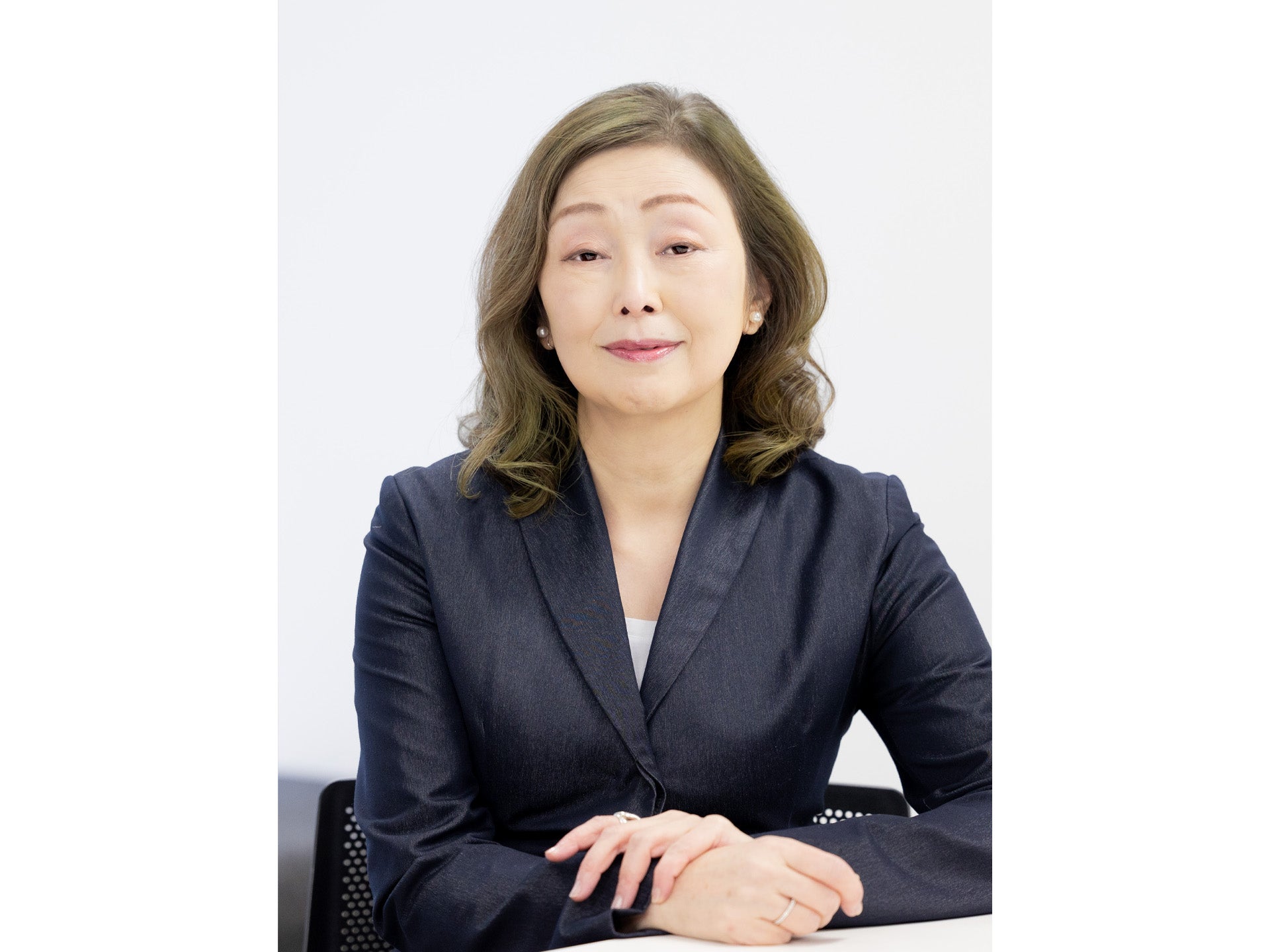
05. Judges' Comments ~After the First Round of Judging~
Professor Emeritus, Tama Art University
Akira Tatehata
Generally speaking, I think there were many expressions that were based on personal ideas and possessed a broad sense of narrative. Even the conceptual works had a somewhat intimate feel rather than an ascetic intellectualism. One could say that this reflects a shared neo-pop sensibility unique to this generation, but what is interesting (though this is not unique to this particular work) is that some regional and environmental characteristics can also be seen in them.
Editor, Creative Director, Professor Emeritus at Kyoto University of the Arts
Shigeo Goto
Since ancient times, outstanding Artist have been likened to "canaries in the mines." This originates from the practice of miners working underground, who relied on canaries to foresee impending disasters. When I encounter the works of Artist at graduation and completion exhibitions of art universities across the country while judging for Art Award Tokyo Marunouchi, I am struck by the question of what kind of future their works foreshadow.
However, the future can no longer be simple. Truth and falsehood, the invisible and the visible, good and evil, friend and foe, myself and the world, hope and despair are no longer binary oppositions, but are all intertwined and inseparable in society.
What left a strong impression on me during this year's AATM judging was Artist' struggle to somehow visualize the complexity of art. Stylistic, attention-seeking works lacked appeal; instead, those that took a more complex path seemed to possess potential and shine brightly. I was reminded once again that the power of art gathered at AATM lies in its ability to convey a sense of an endless world.
06. AATM2026 Satellite Exhibition
We will be holding a special exhibition showcasing the works of four Artist participated in the inaugural AATM2007 and continue to be active today.
■Date and time: May 25th Mon to June 21st Sun, 2026
■ Venue: Mitsubishi Ichigokan Museum, Tokyo Espace 1894
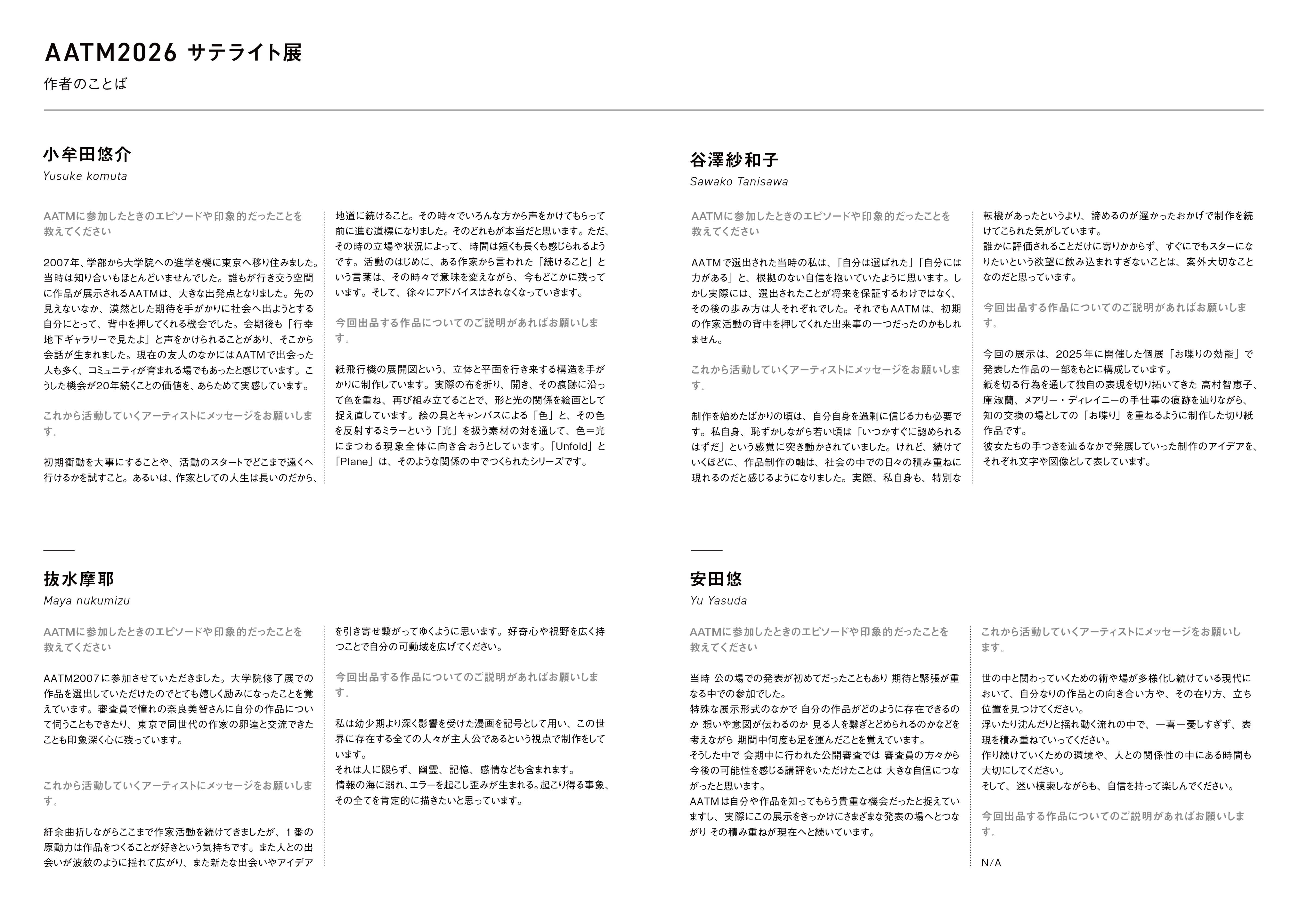
■ Exhibiting Artist: Yusuke Komuta, Sawako Tanizawa, Maya Nukumizu, Yu Yasuda (Participated in 2007)
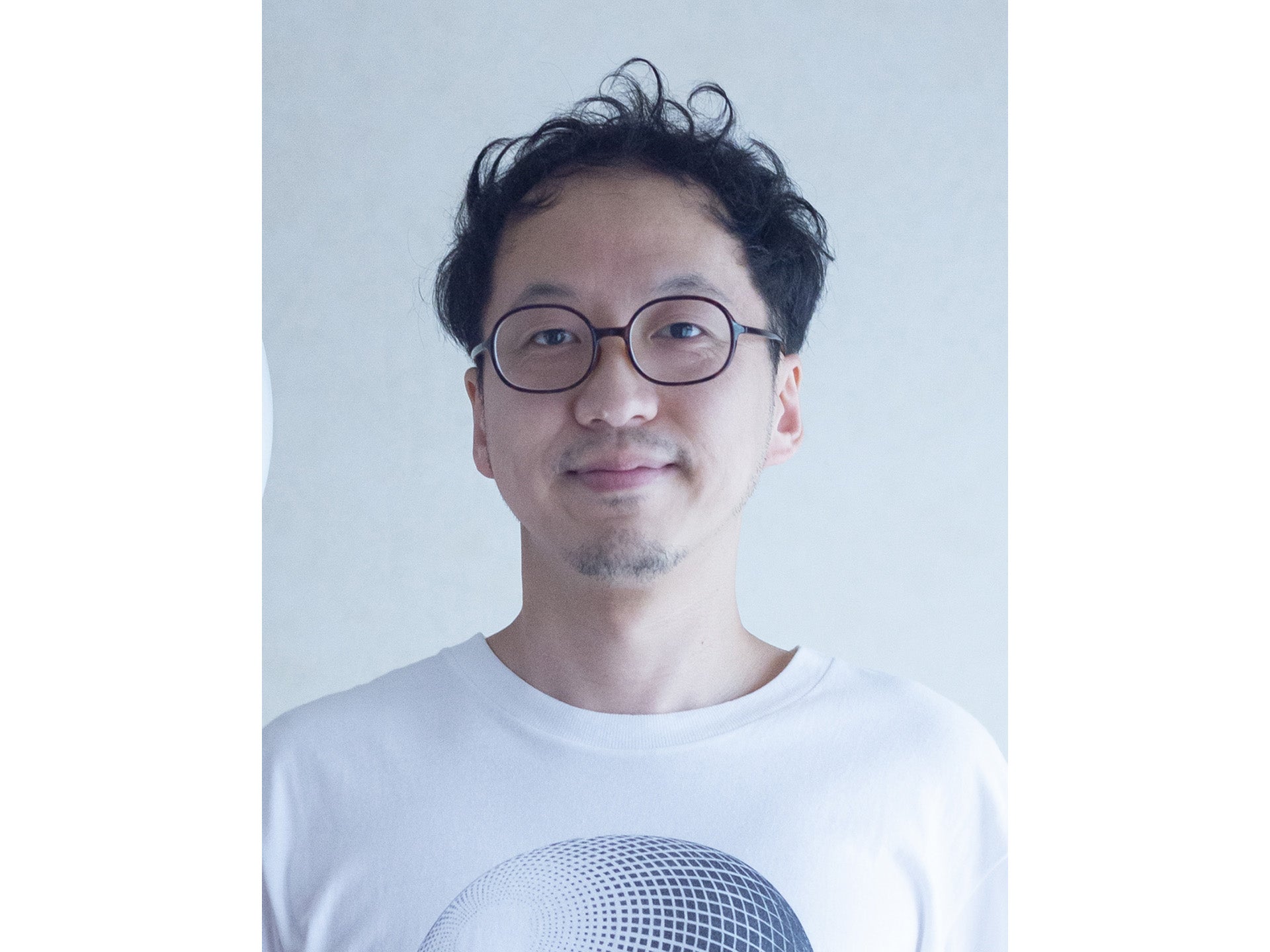
Yusuke Komuta
Born in Osaka Prefecture. Graduated from the Department of Integrated Sculpture, Faculty of Fine Arts, Kyoto University of Art and Design in 2007. Completed the Master's program in Advanced Art Expression at the Graduate School of Fine Arts, Tokyo University of the Arts in 2009. A contemporary artist who explores a world of art that moves between two and three dimensions, weaving in the expansion of space and time that transcends dimensions. Major solo exhibitions include "Unfolding Structure" (Galerie Zink, Germany) 2024, "New Celestial Bodies" (SCAI THE BATHHOUSE, Tokyo) 2022, and "space | aspec" (PARCEL, Tokyo) 2019.
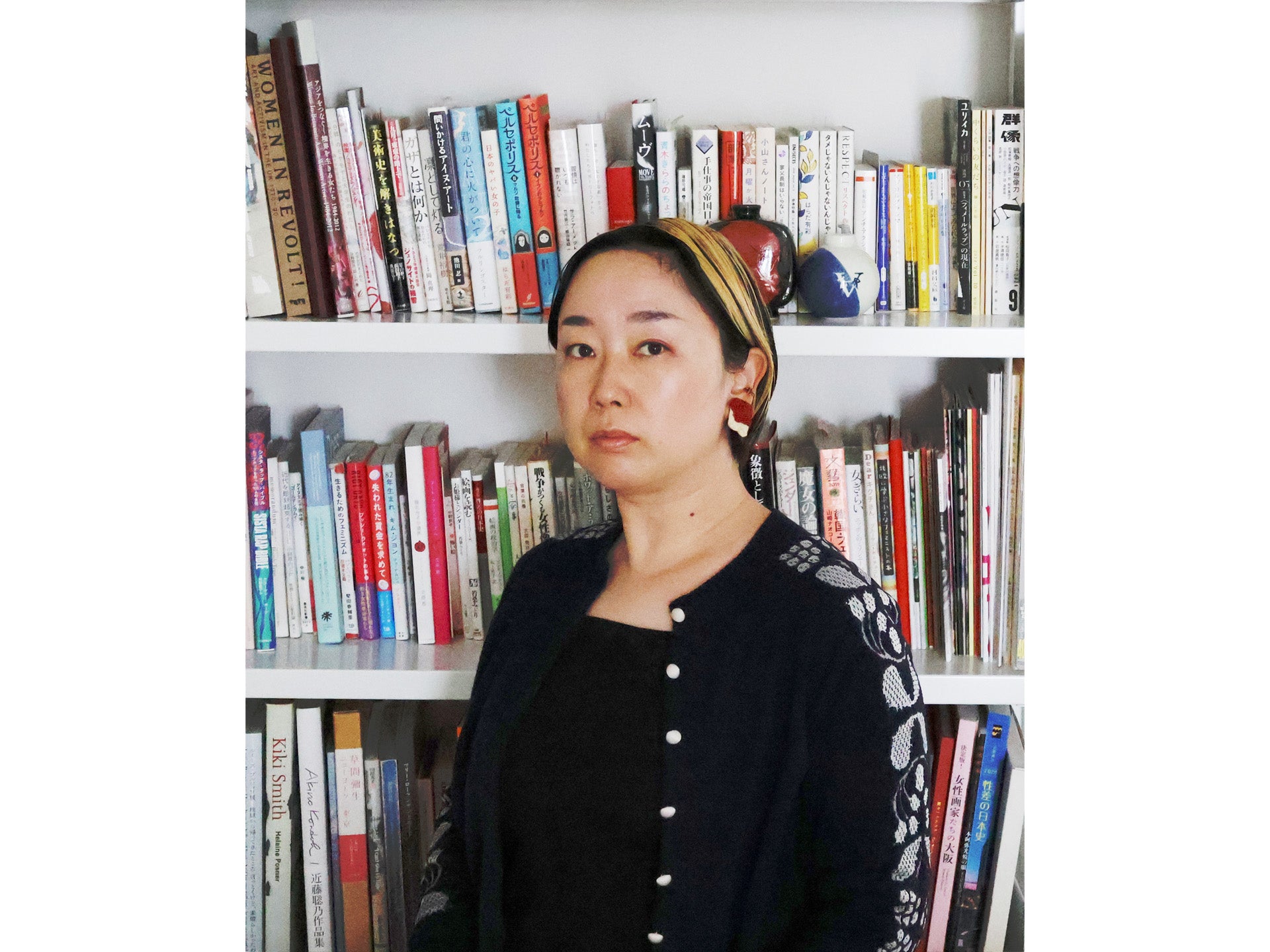
Sawako Tanizawa
Born in Osaka Prefecture. Completed a Master's program in Fine Arts at Kyoto City University of Arts Graduate School in 2007. Currently an Associate Professor at Kyoto City University of Arts. Creates works that use materials and techniques that have been placed outside the art system, serving as devices to liberate imagination. Major exhibitions include "For the Placard" (National Museum of Art, Osaka) 2025, "Art in the Interstice 2024 <A Premonition of Narrative>" (Kagoshima City Tenmonkan Library) 2024, and "VOCA Exhibition 2022: Prospects for Contemporary Art - New Artists of Two-Dimensional Art -" (Ueno Royal Museum).
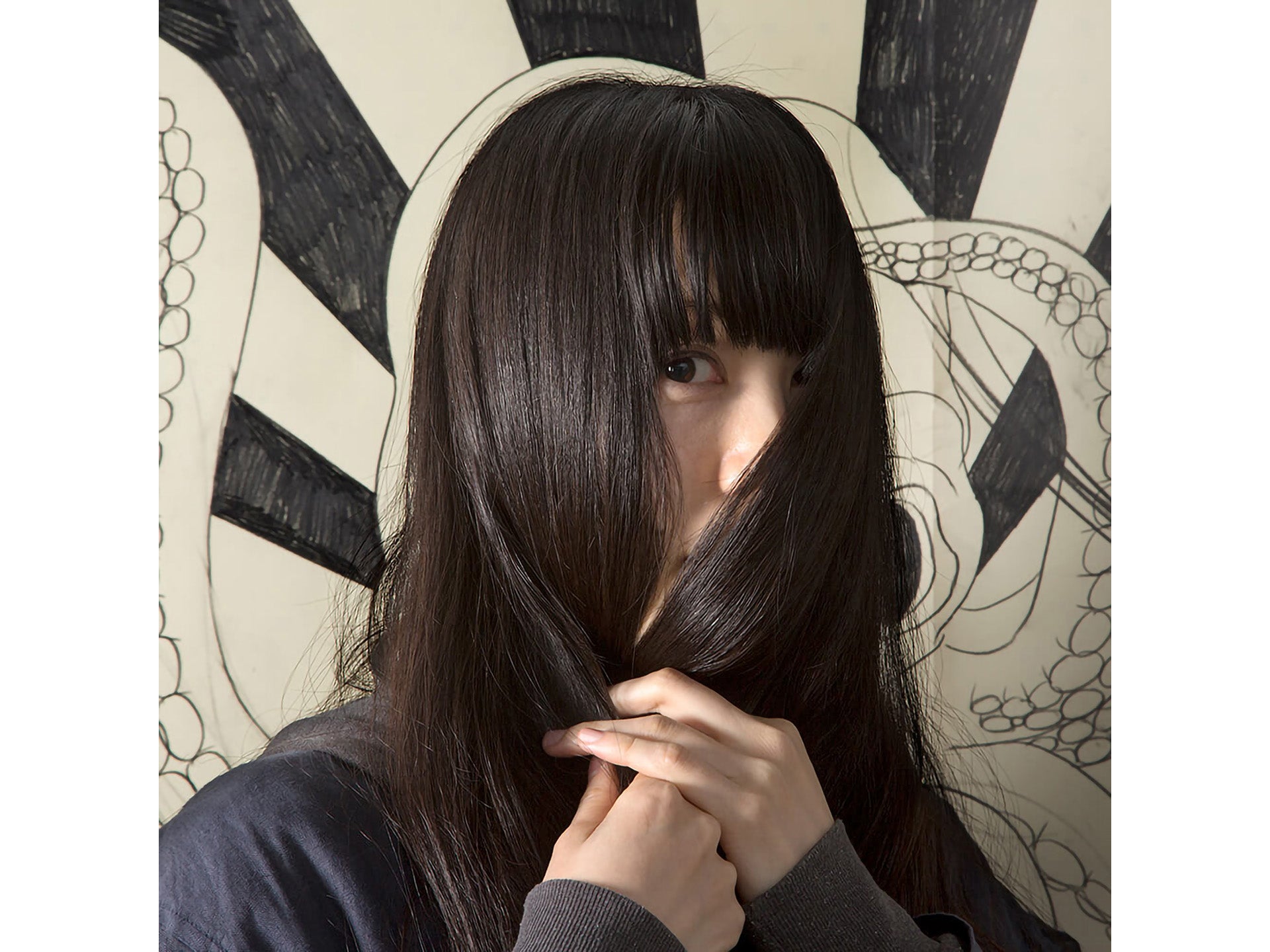
Water extraction Maya
Born in Kyoto Prefecture. Moved her base of operations to Tokyo in 2012. Graduated from the former Kyoto University of Art and Design Graduate School, Department of Art Expression. Studied under Keiichi Tanaami since her university days. With manga culture, which greatly influenced her since childhood, as her background, she positively depicts the infinitely many "protagonists." While exhibiting her work both in Japan and abroad, she is also active in a wide range of fields, such as creating CD jacket artwork for Macaroni Enpitsu and Shiritsu Ebisu Chugaku. Recent major solo exhibitions include "STRANGE STRANGERS" (OIL by Bijutsu Techo Gallery, Tokyo, 2025).
Yu Yasuda
Born in Kagawa Prefecture. Graduated from Musashino Art University Graduate School, Oil Painting Course in 2007. An artist who depicts a fluid world reminiscent of the flow of time and space, and landscapes, with striking brushstrokes and colors. Major exhibitions to date include "VOCA Exhibition 2008" (Ueno Royal Museum), "Art in an Office" (Toyota Municipal Museum of Art), "Yokohama Museum of Art Collection: Expressions Surrounding Light" (Yokohama Museum of Art), and "NEWoMan ART Wall 2022" (NEWoMan Shinjuku).
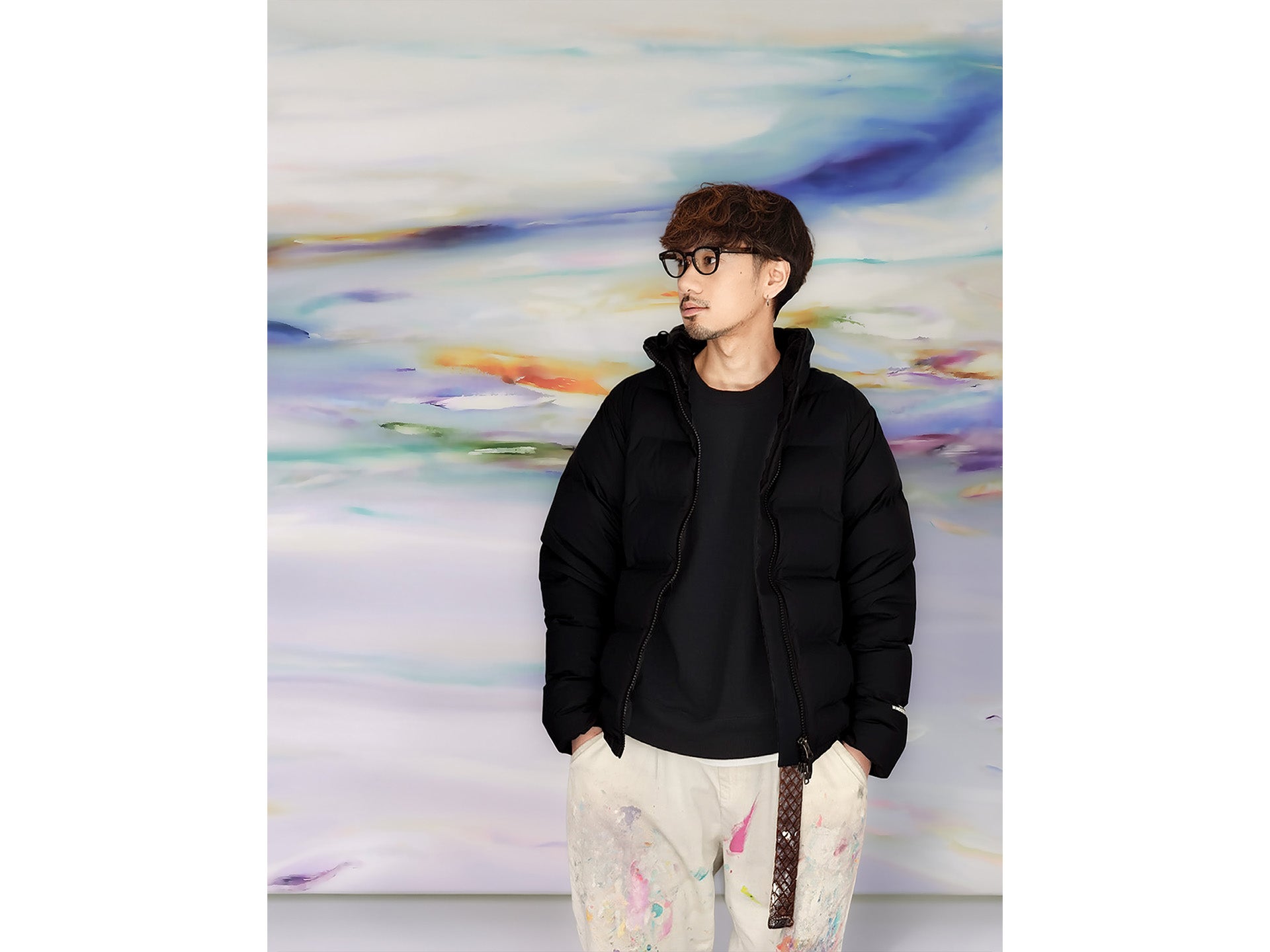
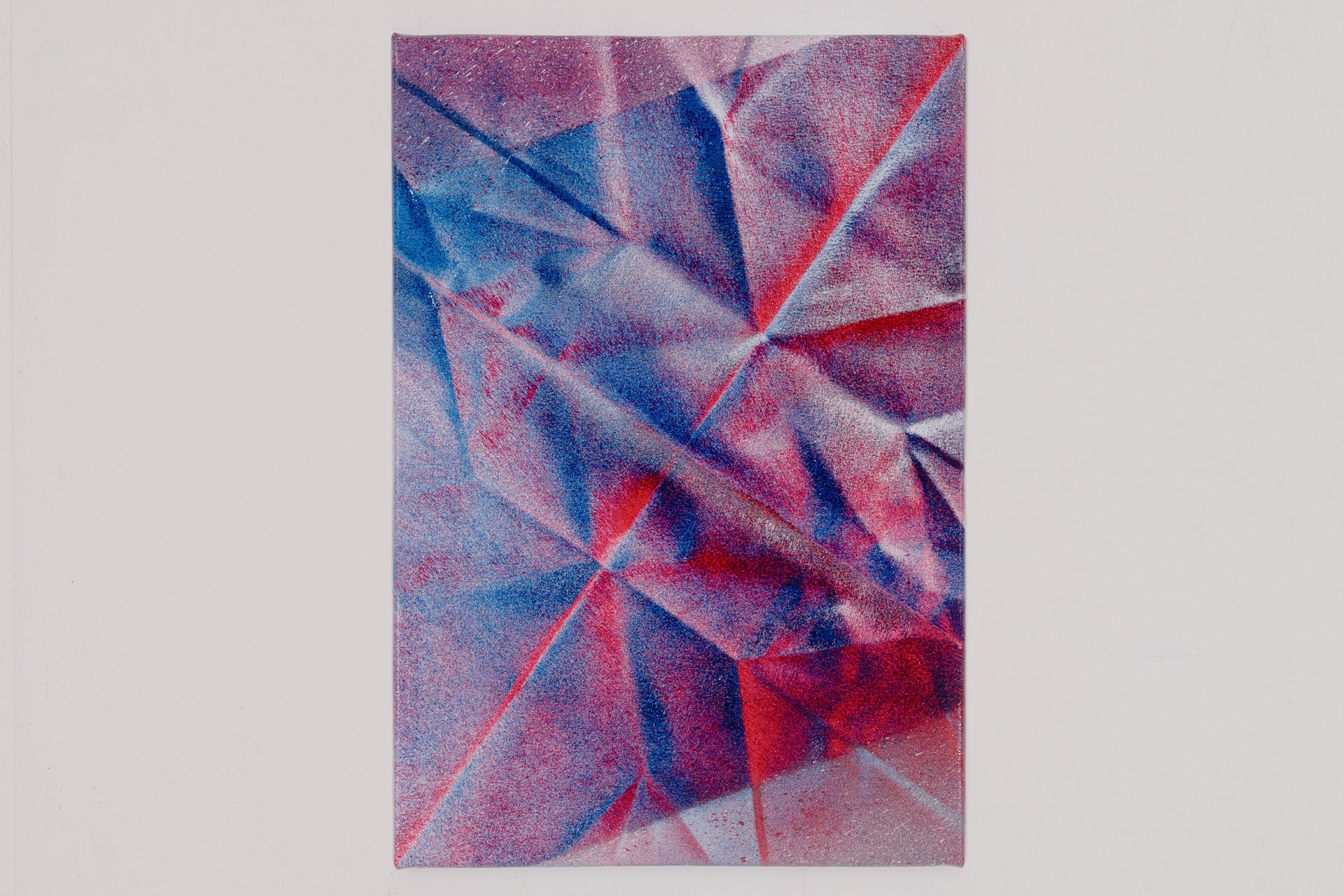
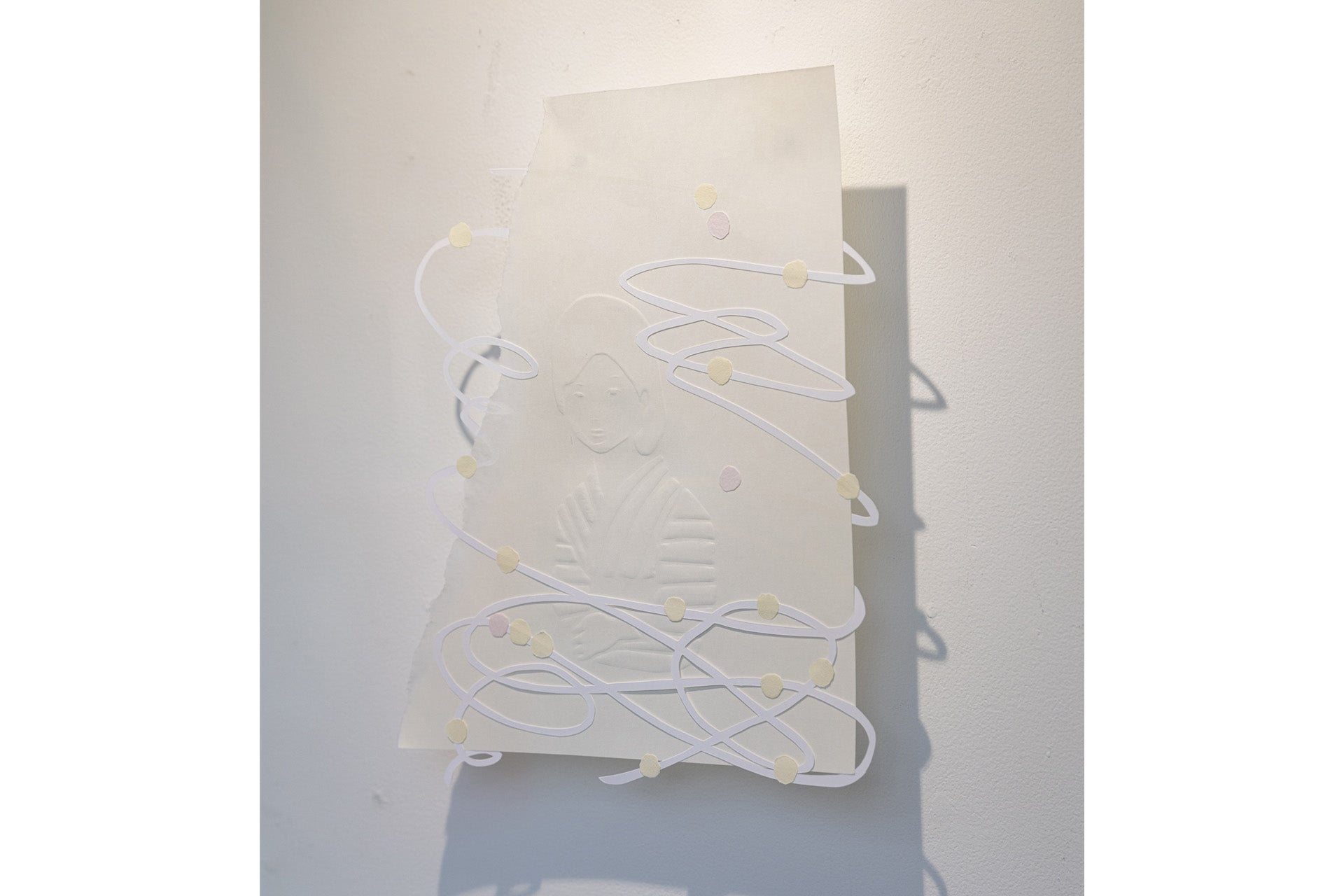
© 2025 EUREKA
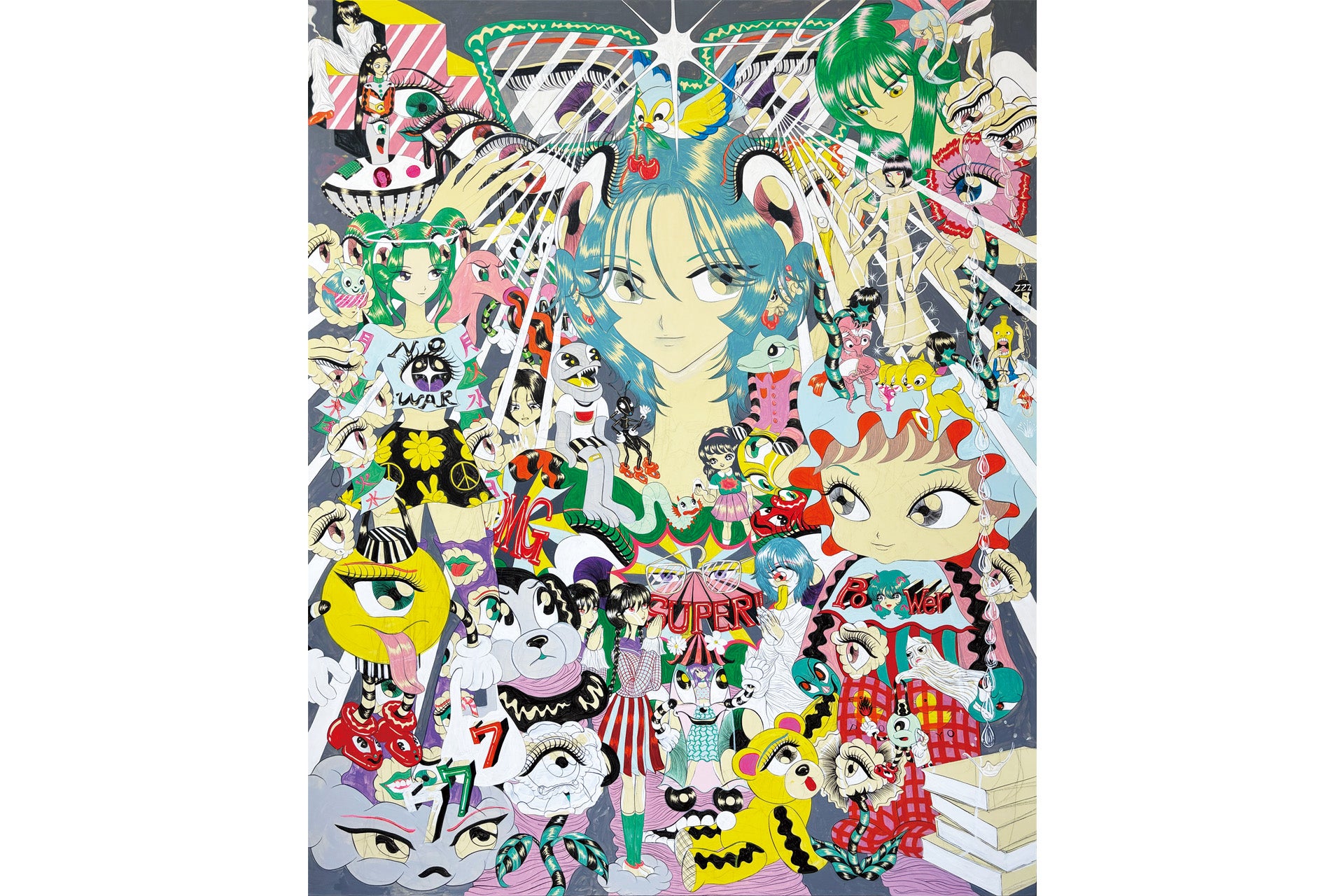
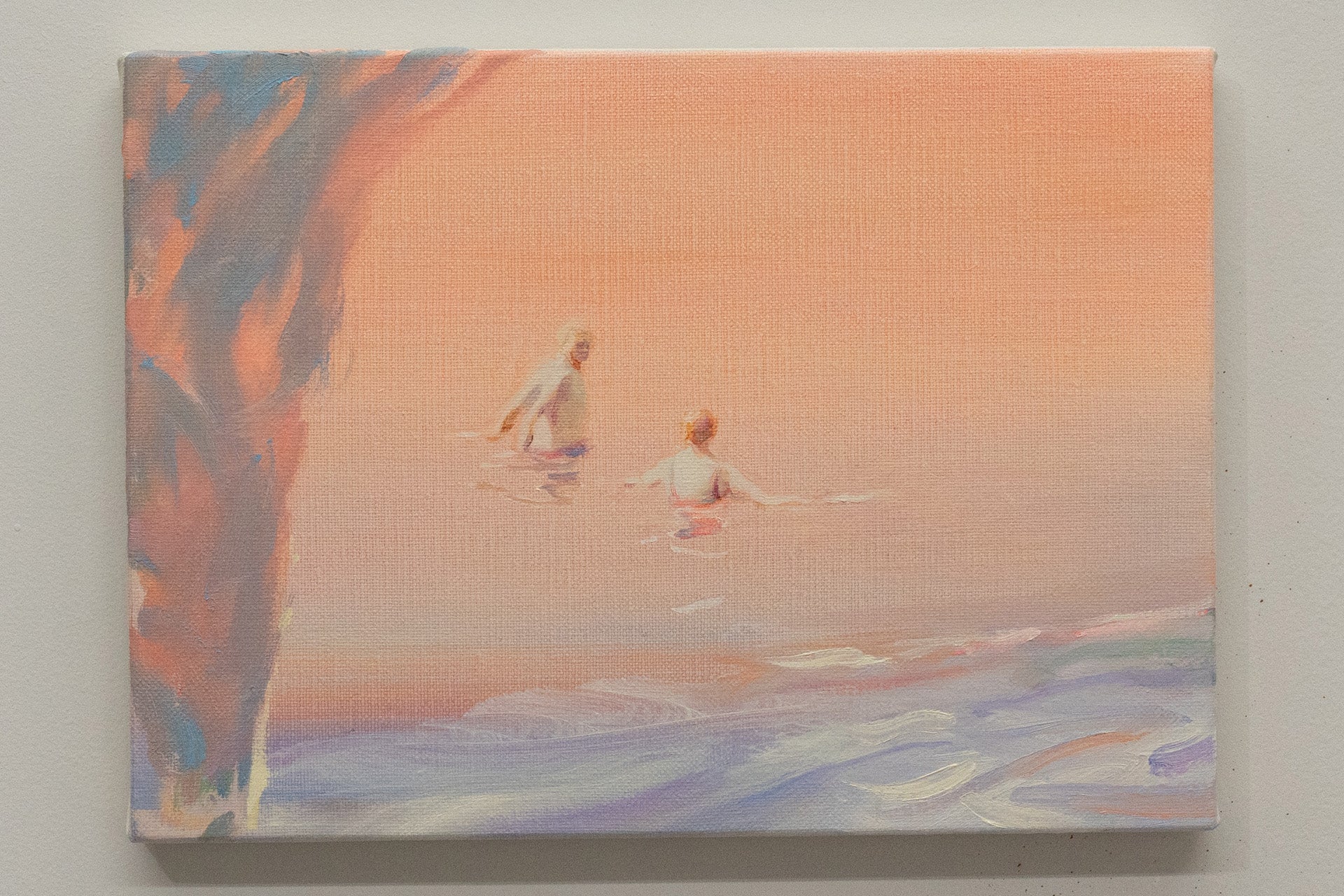
© yuyasuda
07. Winners Announced!! [MARUNOUCHI WORKERS Exclusive Project] Tell us who your favorite artist is!
Exclusive to MARUNOUCHI WORKERS! Why not take a look at the artwork and vote for your favorite artist?
Your vote will decide the winner of the "MARUNOUCHI WORKERS Award".
Please check Venue (Gyoko-dori Underground Gallery) or the QR code printed on the leaflet.
Those who vote will also have a chance to win 2,000 Marunouchi Point Points! (30 winners will be selected by lottery.)
★★MARUNOUCHI WORKERS Award Results Announcement!!★★
No. 02, Kanazuki Horide (Nagoya University of Arts), has been selected!
congratulations!
Thank you to all the MARUNOUCHI WORKERS who voted!
The announcement of winners will be made by awarding points to the winners.
*The university names listed are those as of March 2026 (when students graduated or completed their studies).